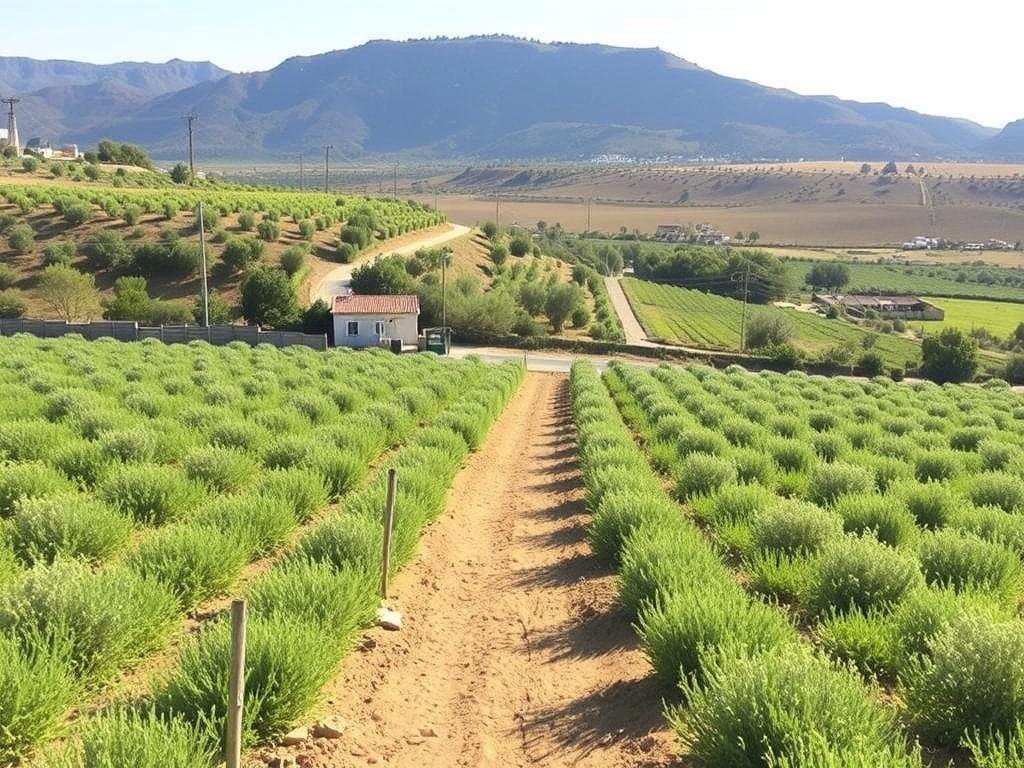
Cyprus, rich in agricultural traditions and rural landscapes, has a tax system that reflects the unique needs of its farming communities. Property tax, a common fiscal tool used by governments globally, has specific provisions and exemptions when it comes to agricultural land. Understanding agricultural land tax Cyprus policies is critical for farmers, landowners, and investors seeking to navigate the rural property environment effectively. This article will explore the nature of farm property tax exemptions in Cyprus, the criteria defining eligibility, the rates applicable to agricultural land, and how these policies impact rural economies and land management strategies.
Overview of Agricultural Land Property Tax in Cyprus
Property tax in Cyprus traditionally covers various land categories, including residential, commercial, and agricultural holdings. Agricultural land tax is distinct because the government recognizes the importance of farming to the national economy and the social structure of rural areas. As a result, agricultural property tax relief mechanisms have been embedded within the legislation to alleviate financial burdens on farmers and encourage the sustainable management of farmland.
The agricultural land tax in Cyprus applies to parcels classified as farmland, whether used for crop cultivation, livestock raising, or mixed farming operations. The purpose of agricultural land tax is twofold: first, to generate revenue for local authorities to support infrastructure and services in rural regions; second, to regulate the use of land in a way that upholds agricultural productivity while preventing speculative real estate developments.
Farmers in Cyprus benefit from tailored tax regulations that reduce financial strain, ensuring the continued viability of agricultural activities.
Understanding Farming Land Tax Rates
The farming land tax rates in Cyprus are generally lower than those applied to urban or commercial real estate. This approach recognizes the economic challenges inherent to agriculture, such as seasonal variability and market price fluctuations. The tax rates are determined by multiple factors, including the location of the land, its size, and its designated use under the zoning laws.
Cyprus employs a tiered structure where farmland is assessed based on its category: irrigated agricultural land, rainfed land, or pastureland each falls under different tax brackets. Additionally, farm properties adjacent to communal infrastructure or main roads may see modified rates due to enhanced accessibility or developmental influence.
There is a deliberate effort to maintain incentives for farmers to keep their land active and productive, so the farming land tax rates typically remain favorable compared to other property types.
Criteria for Farm Property Tax Exemptions
Farm property tax exemptions in Cyprus are governed by strict eligibility criteria to ensure that relief is directed toward genuine agricultural uses and not exploited for tax avoidance. Landowners seeking exemption must demonstrate that the property is actively used for agricultural purposes, adhering to the definitions outlined by the Ministry of Agriculture, Rural Development, and Environment.
Eligibility involves several tests, including:
- Proof of ongoing agricultural activity, such as cultivation records, livestock inventories, or farm output reports.
- Land must be situated within recognized rural or agricultural zones as designated by local planning authorities.
- Compliance with land use restrictions that prevent conversion to non-agricultural purposes.
- Minimum land size requirements to discourage fragmentation and encourage efficient farming operations.
These criteria ensure that only farmers and legitimate agricultural enterprises benefit from tax relief, supporting the government’s objectives to promote productive land use and rural development.
Active agricultural use is the cornerstone for qualifying for farm property tax exemptions in Cyprus.
Types of Agricultural Property Tax Relief Available
The Cypriot government offers several forms of agricultural property tax relief aimed at easing the financial pressures on farmers. These can be broadly categorized into:
- Full Exemptions: Granted to farms used for subsistence agriculture or managed by small-scale family farmers. These farms typically fall below specified income and land-size thresholds.
- Partial Exemptions: Available for commercial farms engaging in large-scale or intensive production but still meeting environmental and operational criteria set by the authorities.
- Deferrals and Reductions: For farmers experiencing temporary difficulties such as adverse weather events, pest infestations, or economic downturns, allowing them time to recover without immediate tax penalties.
Additionally, Cyprus sometimes implements targeted relief programs for specific crop types or farming methods considered strategically important, such as organic farming or vineyard cultivation. These targeted incentives align with broader national agricultural policies and environmental goals.
Impact of Rural Property Tax Benefits on Land Use and Agriculture
The implementation of rural property tax benefits significantly shapes land use decisions and farming practices in Cyprus. By lowering the property tax burden on agricultural land, the government fosters rural stability and incentivizes land conservation. This stability is crucial for long-term investments in soil health, crop diversification, and sustainable farming technologies.
Tax exemptions also reduce the financial risks for young farmers entering the sector, making it easier to acquire and maintain land. In turn, this promotes generational renewal in farming communities and helps prevent rural depopulation.
However, the tax relief system must strike a balance. Excessive exemptions without adequate verification risk encouraging underutilization or land speculation, potentially undermining agricultural outputs and community welfare.
Rural property tax benefits act as a vital lever, influencing land stewardship and the sustainability of Cyprus’s agricultural sector.
The Application Process for Agricultural Land Tax Exemptions
The procedure for applying for agricultural land tax exemptions in Cyprus involves several well-defined steps that demonstrate transparency and regulatory oversight. Landowners must submit detailed applications to the local tax office including:
- Documentation of land ownership (title deeds and cadastral maps)
- Proof of agricultural activity, such as crop production reports or livestock records
- Evidence of compliance with zoning laws
- Additional documentation such as environmental compliance certificates where applicable
Applications undergo rigorous review, often involving site inspections by agricultural officers or local authorities to verify claims. The review process can take several weeks, but timely submission and completeness of documentation help ensure faster approval.
Once approved, the exemptions apply to subsequent tax periods, but landowners must consistently demonstrate ongoing agricultural use to maintain their status. Periodic re-evaluation is generally required to prevent misuse.
Comparative Perspectives: Agricultural Property Tax Relief in Cyprus Versus Other Countries
Cyprus’s approach to agricultural property tax exemptions shares similarities with other Mediterranean countries but also features unique aspects tailored to its specific environment and economic structure. Comparative analysis helps highlight effective strategies and challenges common in similar tax regimes.
For example, Greece and Italy also provide agricultural land tax benefits focusing on active use and environmental stewardship. However, Cyprus’s relatively smaller size and more centralized governance allow for more consistent enforcement of exemption criteria.
In contrast, some northern European countries apply agricultural property tax reliefs with stronger environmental conditionality linked to sustainability certifications and farmland preservation programs. Cyprus is gradually integrating such elements but remains focused on growth support for small- to medium-scale farmers.
By learning from international models, Cyprus continuously refines its agricultural property tax relief policies to balance economic development with land conservation.
Challenges and Controversies Around Agricultural Land Tax Exemptions
Despite the benefits, the system for agricultural land tax exemptions in Cyprus faces ongoing issues. One major challenge is the risk of fraudulent claims or abuse where landowners claim exemptions without genuine farming activity. This can distort land markets and reduce tax revenues critical for rural infrastructure.
Another concern involves balancing tax relief with fairness among taxpayers. Urban property owners sometimes perceive agricultural exemptions as preferential treatment, especially in mixed-use areas where boundaries between agricultural and residential zones blur.
Moreover, fluctuating political and economic conditions influence reforms of agricultural tax policy. Budgetary pressures may lead to tightening exemption criteria or revising rates, sparking debates on supporting farmers versus securing public revenues.
Future Directions: Evolving Agricultural Land Tax Policy in Cyprus
The future of agricultural land tax exemptions in Cyprus is shaped by ongoing reforms aimed at sustainability, equity, and modernization. Key trends include increasing the use of digital tools for monitoring land use and agricultural activity, which improve transparency and reduce fraud.
Additionally, climate change adaptation measures are influencing tax incentives, encouraging environmentally friendly farming practices such as water conservation and renewable energy integration.
Policymakers also contemplate broadening farm property tax exemptions to include social objectives, supporting rural communities by integrating tax relief with social services or development grants.
Modernizing agricultural land tax systems is essential to meet the dual goals of economic viability and environmental stewardship in Cyprus.
Empowering Cyprus’s Agricultural Landscape Through Strategic Tax Exemptions
Tax policy is a powerful instrument guiding the stewardship and economic health of agricultural land in Cyprus. By crafting farm property tax exemptions thoughtfully, the government encourages sustainable farming, supports rural livelihoods, and preserves vital environmental resources. The agricultural land tax Cyprus framework balances providing relief to hardworking farmers with safeguarding national and local interests.
This system ultimately reinforces the resilience of Cyprus’s rural communities, enabling them to adapt to evolving economic pressures and environmental realities. For stakeholders involved in agriculture, understanding the nuances of these exemptions—and engaging with them proactively—is crucial for optimizing land use and securing the future of Cypriot farming.
As Cyprus continues to refine its policies and address emerging challenges, the foundation of agricultural property tax relief will remain a cornerstone for fostering a thriving, sustainable agricultural sector in the years ahead.
Frequently Asked Questions
- What types of agricultural land qualify for tax exemptions in Cyprus?
Agricultural land used for active farming purposes such as crop cultivation, livestock raising, and designated pastureland in zoned rural areas typically qualify. - How are farming land tax rates determined?
Rates depend on land classification (irrigated, rainfed, pasture), location, size, and compliance with agricultural zoning regulations. - Can small family farms receive full property tax exemptions?
Yes, small-scale or subsistence farms below specific thresholds often qualify for full exemptions under Cyprus’s agricultural tax relief policies. - What documentation is required to apply for exemption?
Land title deeds, proof of agricultural use (production records, livestock data), and zoning compliance certificates are generally required. - Are agricultural tax exemptions permanent?
No, exemptions are subject to periodic review and require continued active use of the land for farming. - How does agricultural property tax relief impact rural communities?
It reduces financial burdens on farmers, promotes land conservation, supports local economies, and helps curb rural depopulation. - Does Cyprus consider environmental factors in granting tax exemptions?
Increasingly, yes. Environmental compliance and sustainable farming practices are becoming important criteria in the exemption process.