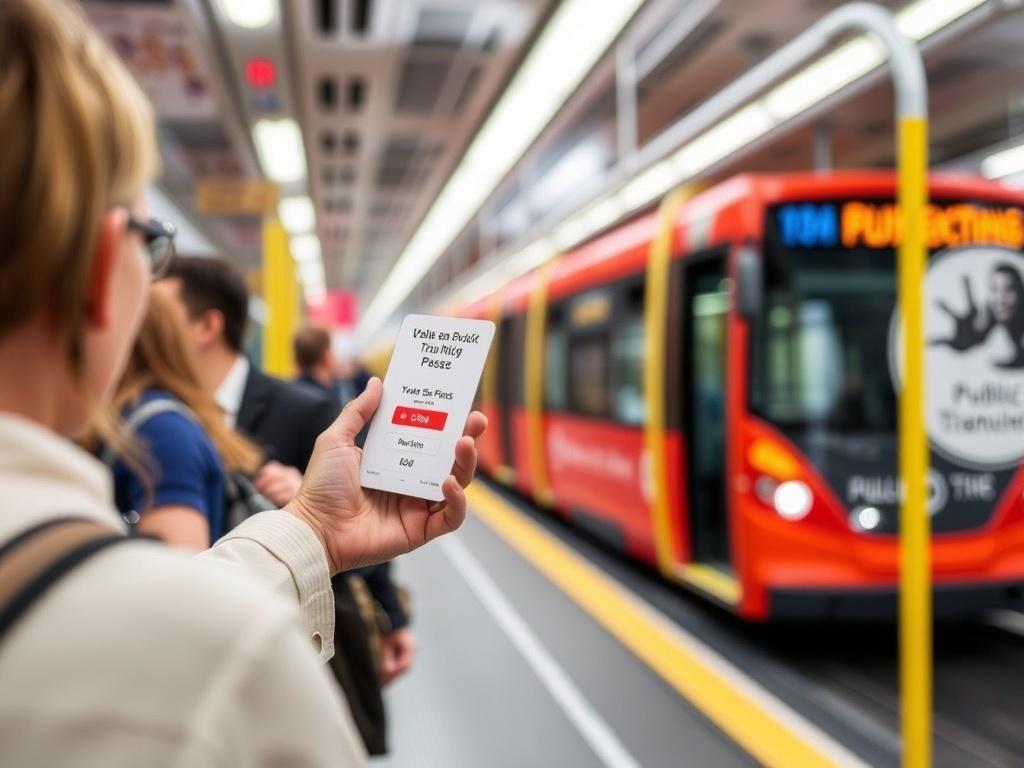
The public transport landscape in Cyprus has matured rapidly over the last decade, shifting from a fragmented collection of private bus operators to a more coordinated, digitally enabled network that emphasizes convenience, fare integration, and targeted concessions. For commuters, students and frequent visitors, understanding the layers of pass types, card technologies and discount schemes is essential to optimize travel cost and efficiency.
For those settling in or investing in long-term life on the island, knowing the practical details of passes and residency incentives can matter as much as the monthly budget. If you are exploring residency as part of a longer-term plan, review this concise guide on how to get Cyprus residency to see how transport options fit into broader relocation decisions.
Overview of the Cyprus Transport System and Fare Architecture
The backbone of public mobility in Cyprus is bus transport, with municipal and intercity routes linking major urban areas and rural communities. Since a national overhaul, systems in cities like Nicosia, Limassol, Larnaca and Paphos have standardized payment mechanisms and introduced transport cards and digital ticketing platforms to reduce cash handling and support fares that are easier to predict and compare.
Fare architecture in Cyprus generally distinguishes between single-ride fares, distance-based intercity fares and time-limited passes such as daily or monthly subscriptions. Each city applies its own operational schedules, yet national policy encourages interoperability and the broader use of transport cards across municipal boundaries. That shift has important implications for people evaluating public transport passes Cyprus options: consistency, convenience and the potential for cross-city discounts now factor heavily into purchasing decisions.
Public transport in Cyprus is bus-centric and increasingly digitized — the right card or pass lowers friction and often reduces cost for frequent users.
Because transport policy continues to evolve, new discount programs and seasonal schemes appear sporadically. Understanding both the baseline fare structure and how special offers layer on top of it is critical to making an informed choice about monthly transport tickets Cyprus, transport cards Cyprus and targeted subsidies like senior transport discounts Cyprus or student reductions.
Types of Passes and Their Intended Users
Passes in Cyprus are designed to serve distinct travel profiles: daily commuters, occasional users, tourists and concession-eligible riders. Choosing among single tickets, day passes, weekly or monthly transport tickets Cyprus requires matching anticipated travel frequency with the available products and the points of sale where they are accepted.
This section outlines the primary pass families and the typical rider each is intended to serve, emphasizing the operational characteristics that affect cost-effectiveness, such as time limits, transfer policies and geographic validity.
Single-Ride, Time-Limited and Day Passes
Single-ride tickets remain the simplest option for infrequent users: buy on board with cash or from kiosks and machines where available. Time-limited and day passes offer freedom within a window — typically unlimited trips for a day — reducing marginal cost for multiple short trips that would otherwise be expensive when paid singly.
These passes are attractive for visitors and occasional users who prefer predictability. They are also useful as a test: many riders purchase a day or three-day pass to evaluate whether a monthly transport tickets Cyprus option would be worth the investment once their commuting patterns are known.
Day and short-duration passes are the practical choice for visitors and sporadic users; they remove the friction of repeated purchases.
Monthly and Long-Term Subscription Passes
Monthly transport tickets Cyprus are the de facto tool for regular commuters, students with daily classes and residents who rely on buses for commuting. These passes are typically valid for 30 days from the activation date and often come in city-specific or network-wide variants. In larger urban areas, monthly passes can include unlimited travel within municipal boundaries or set zones.
Long-term subscriptions — three-, six- or twelve-month passes — may be available through employers, universities or municipal programs. The economics hinge on frequency: a simple break-even calculation using average daily trips will show whether a monthly or a pay-as-you-go approach is more economical.
| Pass Type | Typical Validity | Best For |
|---|---|---|
| Single Ride | One trip | Occasional users, tourists |
| Day Pass | 24 hours from first use | Day visitors, short-stay business travelers |
| Monthly Pass | 30 days | Regular commuters, students |
| Seasonal/Annual | 90–365 days | Long-term residents, seniors with predictable travel |
Purchasing channels for monthly and long-term passes vary by city and operator. Some systems require a dedicated transport card to hold the pass, while others allow mobile activation through apps or online accounts — an important design difference when you compare transport cards Cyprus offerings and city-level ticketing platforms.
Concession and Special-Purpose Passes
Concessions include student fares, disability reductions and senior transport discounts Cyprus. Each concession category requires documentation — student IDs, medical certificates or local residency proof — and the application processes differ. Some concessions manifest as discounted monthly passes; others provide percentage reductions on single fares or free travel during off-peak hours.
Employers, universities and municipalities sometimes operate bulk-purchase or subsidized programs, which reduce the effective cost per rider and can be an attractive option for organizations looking to encourage public transport usage. Understanding whether a concession applies to single rides, season tickets or both is essential to decide on the right pass product.
Concessions often deliver the most value when applied to recurring ticket types like monthly passes rather than single rides.
Transport Cards: Technology, Functionality and Security
Transport cards Cyprus have migrated from paper tickets to reloadable smartcards and mobile accounts. The core functionality remains the same: they store value or entitlements and enable seamless boarding. Beyond the convenience of contactless validation, modern transport cards also allow for online top-ups, subscription management and usage history review — features that support budgeting and dispute resolution.
Security considerations are important: transport cards hold personal data and travel logs in many implementations. Operators have introduced basic privacy protections and anonymized payment options, but riders should be aware of where their data is stored, how long it is retained and how to request deletion or corrections if needed.
Card Types and How They Work
There are typically two broad categories: anonymous cards issued to anyone and personalized cards tied to a specific individual for concessions and discounted products. Anonymous cards require no ID but cannot carry concession entitlements. Personalized cards need registration and verification at a designated office or online portal and can hold discounted monthly transport tickets Cyprus and proof-based entitlements like senior transport discounts Cyprus.
Contactless bank-card acceptance is also expanding. Some routes accept contactless debit and credit payments directly, while others require a transport card due to fare zoning logic or concession validation. Knowing the local acceptance rules avoids surprises at boarding.
Transport cards combine convenience with account features; personalized cards are necessary for documented concessions and long-term subscriptions.
Top-Up Options, Online Accounts and Mobile Apps
Top-up channels include kiosks, automated machines, vendor outlets and online portals. Many transport cards Cyprus systems allow holders to top up with recurring payments or set low-balance alerts, which reduces the risk of being stranded without valid fare. Mobile apps typically offer the same functionality with the convenience of remote management and pass activation.
For tourists or short-term visitors, some cities provide temporary digital passes sold through official apps, often at a premium to counterbalance administrative costs. The most efficient approach combines a modest preloaded card balance with occasional online top-ups to avoid the need to queue at ticket offices.
City-by-City Practical Differences and What They Mean
Cyprus does not have a single, uniform pass that covers every route and operator; instead, systems vary by city and by intercity service. This section examines the practical differences across major urban centers, focusing on fare structures, availability of transport cards and the presence of targeted discounts such as bus pass discounts Cyprus and senior transport discounts Cyprus.
The intent here is to equip readers with actionable knowledge: where to buy, what to expect when traveling between cities and how metropolitan solutions integrate with national intercity services.
Nicosia: The Capital’s Integrated Approach
Nicosia’s network emphasizes frequent urban services, with a central ticketing platform that supports transport cards Cyprus for both city and selected intercity routes. Monthly transport tickets Cyprus in Nicosia often cover unlimited travel within municipal zones and are available in both anonymous and personalized forms. For commuters, the strong frequency and modal coverage make monthly passes attractive.
Concessions are administered through municipal offices; seniors and students must present residency or enrollment documentation to access discounted products. As the administrative center, Nicosia also piloted several digital innovations, so residents should expect early access to new fare types or seasonal promotions.
Limassol: Demand-Responsive Services and Tourist Integration
Limassol has invested heavily in tourist-friendly passes that integrate ferry and bus scheduling seasonally. Monthly transport tickets Cyprus are available for residents, but there is a clear distinction between resident and tourist fare products. The city also runs targeted bus pass discounts Cyprus during high-demand seasons to encourage public transport use in congested areas.
The prevalence of tourist traffic means that day and multi-day passes are often the most visible offers at kiosks and hotels. Concession management is effective but requires proof of local registration for the full suite of benefits.
Larnaca and Paphos: Smaller Networks with Focused Services
Larnaca and Paphos operate more compact networks where route density and service frequency are lower than in Nicosia or Limassol. Monthly transport tickets Cyprus can still be valuable for daily commuters, but the break-even point depends on commute length and service frequency. In both cities, the rollout of transport cards Cyprus has prioritized local commuter needs over tourist-focused passes.
Senior transport discounts Cyprus are available, but administrative access is typically concentrated at municipal offices and may require an appointment for personalization of cards. These cities are gradually integrating with national intercity services, which eases travel between urban centers for holders of certain pass types.
Intercity and Rural Routes
Intercity fares are often distance-based, and monthly passes that include intercity travel are rarer unless purchased as part of a regional or national scheme. Rural routes, which are vital for connectivity, may offer concessionary fares but less frequent services make monthly subscriptions less advantageous unless the rider travels several days per week.
When using a monthly pass in a mixed system, verify whether it covers intercity legs or whether you must augment it with single-ride tickets for particular segments. Understanding transfer policies — whether transfers are free or discounted — is particularly important for rural commuters connecting to urban hubs.
How to Buy, Top Up and Use Passes: A Practical Guide
Purchasing and using passes in Cyprus is straightforward once you know the channel mix. This section provides a step-by-step guide for first-time buyers, travelers moving into the country, and administrators seeking to set up bulk programs for employees or students.
Processes differ by city and by concession type, so the steps below emphasize common patterns and describe where administrative friction typically appears.
Step-by-Step Purchase and Registration
Most purchases of monthly transport tickets Cyprus require either a transport card or a digital account. Anonymous cards can usually be bought at kiosks or vendor outlets by paying a deposit and loading value immediately. Personalized cards involve registration to link concession entitlements or name-based passes, and often require in-person verification or uploading documents through a secured portal.
When applying for senior transport discounts Cyprus, bring a national ID, proof of age and, if requested, local residency documentation. Student passes require a proof of enrollment letter with clear dates and often stipulate semester-based validity rather than a strict 30-day cycle.
Registering a personalized card takes a little time but unlocks the most cost-efficient concessionary passes for seniors and students.
Top-Up and Renewal Options
Top-ups can be performed in person, via apps or through web portals that accept cards and local payment systems. Some municipalities allow automatic renewals for monthly transport tickets Cyprus on debit or credit instruction, which avoids lapse risk but requires monitoring to ensure funds are available for renewal.
For visitors, short-term top-ups via apps or machines at central stations are usually adequate. For permanent residents or long-term workers, arranging recurring payment and keeping a small buffer on the card reduces the likelihood of boarding delays or fines for invalid tickets.
Validation, Transfer Rules and Inspections
Validation protocols vary: some operators require boarding validation only, others require tap-on and tap-off to calculate distance-based fares. Always check the local rule; distance-based systems penalize failure to tap off. Transfer rules — whether a single ticket allows multiple buses within a time window — differ between cities and between single-ride and pass products.
Ticket inspections are regular on many routes. Personalized transport cards that include a photo or ID number make inspections quick; anonymous passes may require a printed receipt or electronic confirmation. Carry proof of concession eligibility when you travel, especially if you hold senior transport discounts Cyprus, to avoid disputes during inspections.
Cost-Benefit Analysis: When a Pass Makes Sense
Deciding whether to buy a monthly pass is a numbers problem: compare the expected monthly spending on single rides with the cost of a monthly or longer-term pass. Consider both direct cash costs and non-monetary values such as convenience, avoidance of queues and the predictability of monthly budgeting.
This section gives a methodological approach to calculating break-even points and provides sample scenarios to illustrate how different commuting patterns affect value.
Methodology and Key Variables
Important variables include the single-ride fare on the route(s) you use, the number of commute days per month, the number of trips per commute, and any available concessions. For example, a commuter making two trips per day for 22 workdays pays 44 single fares; if a monthly pass costs less than 44 single fares, it yields savings. Additional trips — weekends, errands — accelerate the break-even threshold.
Another factor is the presence of transfer allowances. If a single fare allows multiple segments within a time window, the effective per-journey cost is lower, which raises the number of trips required for a monthly pass to make sense.
Calculate break-even by comparing total expected single-ride costs to the monthly pass price; remember to include incidental trips beyond commuting.
| Scenario | Daily Trips | Workdays/Month | Single-Ride Cost (€) | Monthly Pass Cost (€) | Pass Advantage |
|---|---|---|---|---|---|
| Short urban commute | 2 | 22 | 1.20 | 35 | Yes (Cost per month = 52.8) |
| Long, distance commute | 2 | 22 | 2.50 | 60 | Yes (Cost per month = 110) |
| Part-time worker | 2 | 12 | 1.20 | 35 | No (Cost per month = 28.8) |
These sample figures show that the pass advantage emerges once the product price is lower than the expected single-ride spending. For students and seniors, the reduced single-ride cost lowers the break-even threshold, so discounted monthly transport tickets Cyprus often pay off sooner than full-price passes.
Senior and Targeted Discounts: Rules, Proof and Limits
Senior transport discounts Cyprus are a critical social policy designed to sustain mobility into older age. These discounts can take the form of reduced single fares, discounted monthly passes or, in some programs, free off-peak travel. Eligibility conditions, documentation and the exact discount rate vary across municipal schemes.
Understanding how and where to apply for senior concessions will save time and reduce anxiety for older residents transitioning to public transport.
Eligibility and Documentation
Age thresholds for senior concessions typically mirror national standards (for example, 65+), but municipalities might set different dates or include early-retirement categories. Applicants usually must provide an official ID showing age, proof of residency for local discounts and any additional documentation requested by the issuing authority. Personalized transport cards are the standard medium for these discounts to prevent misuse.
Administrative offices handling senior applications may require in-person visits; however, many cities now allow initial registration online followed by a short appointment for card collection. This hybrid approach reduces queue times and speeds up card issuance.
Senior concessions require verification; registering a personalized card achieves both convenience and eligibility enforcement.
Limits, Time Windows and Co-Benefits
Some senior discounts apply only during off-peak hours to manage capacity. This trade-off preserves concession value while reducing pressure on high-demand morning and evening commutes. Others are unrestricted but may be limited to municipal routes, excluding intercity services unless a specific regional program is in place.
Co-benefits include access to free or discounted municipal amenities, like local cultural events or recreational transport programs. These ancillary benefits increase the real value of holding a senior concession beyond simple fare reductions.
Special Schemes, Employer Benefits and Seasonal Offers
Beyond standard passes, Cyprus has developed special schemes that support specific mobility goals: employer-subsidized cards, student semester passes, tourist multi-day products and limited-time promotional discounts intended to shift modal share away from private vehicles during peak congestion periods.
These schemes can create substantial savings but often involve eligibility checks, bulk purchase contracts or limited validity windows that are important to understand before enrolling.
Employer and Institutional Programs
Employers may offer subsidized monthly transport tickets Cyprus as part of remuneration packages or corporate mobility strategies. These usually require a formal corporate arrangement with the transport operator and can be cash-neutral for employees if employers cover most of the fee. Universities and colleges frequently operate their own semester passes for enrolled students, reflecting academic schedules rather than calendar months.
Institutional passes often provide seamless renewal workflows, but they can be restrictive if the student or employee changes location mid-term; verify refund and transfer policies before accepting or paying for such a pass.
Seasonal and Promotional Discounts
During festival seasons, beach months and sporting events, operators sometimes deploy promotional discount codes or temporary bus pass discounts Cyprus to boost system visibility and reduce road congestion. These promotions tend to be time-limited and frequently advertised through municipal channels, social media and transport apps.
Tourist-specific passes combine local sightseeing routes with conventional bus services and may include ferry or shuttle integrations. For short stays, these bundled offers sometimes provide the best value compared with standard day passes.
Policy, Accessibility and the Evolution of the System
Transport policy in Cyprus is increasingly focused on sustainability, integration and accessibility. Electrification pilots, expanded cycle-and-ride programs and improvements in last-mile connectivity reflect a national commitment to reduce private car dependence. Understanding these policy directions helps riders anticipate long-term changes in pass offerings and price structures.
Accessibility remains a parallel priority: vehicle retrofits, low-floor buses and priority seating are now standard requirements on many municipal routes, and senior transport discounts Cyprus often coexist with physical accessibility improvements to ensure equitable mobility.
Future Developments and Smart Integration
Future enhancements likely include more seamless interoperability across city boundaries, expanded contactless bank-card acceptance and wider integration of mobility-as-a-service platforms that bundle buses, shared bikes and on-demand shuttles. Such developments aim to simplify choice architecture for users and create richer data that municipalities can use to optimize routes and schedules.
Privacy and data governance will be crucial as transport cards Cyprus collect finer-grained travel data. Expect increasing regulatory attention on how that data is stored, used and shared — especially for personalized cards that support concessions and monthly subscriptions.
Policy trends point to smarter integration and better accessibility, but they require clear privacy safeguards and predictable fare policy for riders to benefit.
Practical Tips for New Residents, Students and Frequent Travelers
For anyone new to Cyprus — whether as a resident, a long-term visitor or a student — adopting a few practical habits will reduce cost and simplify daily travel. This section outlines proven, pragmatic steps that experienced users recommend based on real-world outcomes.
Tips vary by intended length of stay and travel intensity, so read them in light of the commute patterns you expect to follow.
Checklist for Efficient Use
- Always carry identification if you hold concessions; inspectors commonly request proof.
- Register a personalized transport card if you qualify for senior transport discounts Cyprus or student concessions; it typically pays for itself quickly.
- Monitor account balances and set up auto top-ups where available to avoid lapses.
- Check transfer rules before assuming a single fare covers multi-leg journeys.
- Use city apps to track real-time departures and avoid long waits at terminals.
These small operational choices significantly reduce the friction of daily travel and often translate into monetary savings, particularly when combined with monthly or institutional passes.
Next Steps: Mastering the System and Making It Work for You
Having navigated the technical landscape of passes, transport cards Cyprus and concession programs, your next step is implementation: choose a pass, secure any needed documentation for concessions, and commit to a monitoring routine that keeps your account topped up and eligible for automatic renewals if appropriate. For occasional travelers, trial a day or three-day pass to validate your travel patterns; for regular commuters, calculate break-even points and secure a monthly option before peak season pricing or promotional windows change the landscape.
For long-term planning, align transport choices with broader lifestyle decisions. If you are considering relocation or extended stays, integrate monthly transport tickets Cyprus into housing and job cost calculations. If you have eligibility for senior transport discounts Cyprus or institutional subsidies, prioritize the registration steps early to capture savings from day one.
Choose a pass that fits your actual travel pattern, register early for concessions and automate renewals where possible to maintain seamless mobility.
Finally, stay informed. Municipalities and operators update offers and digital platforms frequently. Subscribing to official channels or downloading local transport apps gives you instant access to price changes, new discount windows and service alerts, ensuring you get the best value from the public transport network in Cyprus.
Frequently Asked Questions
- How do I buy a monthly transport ticket in Cyprus?
Purchase monthly transport tickets Cyprus either at official ticket offices, designated kiosks, or through municipal transport apps; personalized versions require registration and ID for concessions.
- Are there specific senior transport discounts in Cyprus?
Yes. Senior transport discounts Cyprus are available but require proof of age and residency; discounts vary by city and may apply to single fares, monthly passes, or off-peak travel only.
- Can I use the same transport card across different cities?
Interoperability is improving; some transport cards Cyprus work across multiple municipalities, but coverage varies — check city-specific rules before relying on cross-city acceptance.
- Do monthly passes include intercity travel?
Typically no; monthly transport tickets Cyprus usually cover municipal routes or zones. Intercity legs often require separate distance-based fares unless a regional or national pass explicitly includes them.
- What documentation do students need for discounted passes?
Students typically need a valid student ID or an official enrollment confirmation for the current term; some programs prefer semester-based cards aligned with academic calendars.
- Is contactless bank-card payment widely accepted on buses?
Acceptance varies by city and route; many urban routes now accept contactless cards, but some services still require a transport card or app-based ticket for concessions and zonal logic.
- How can I verify whether a pass covers transfers?
Check the pass terms on the operator’s website or app; transfer allowances — free or discounted within a time window — are explicitly stated and differ by product and city.