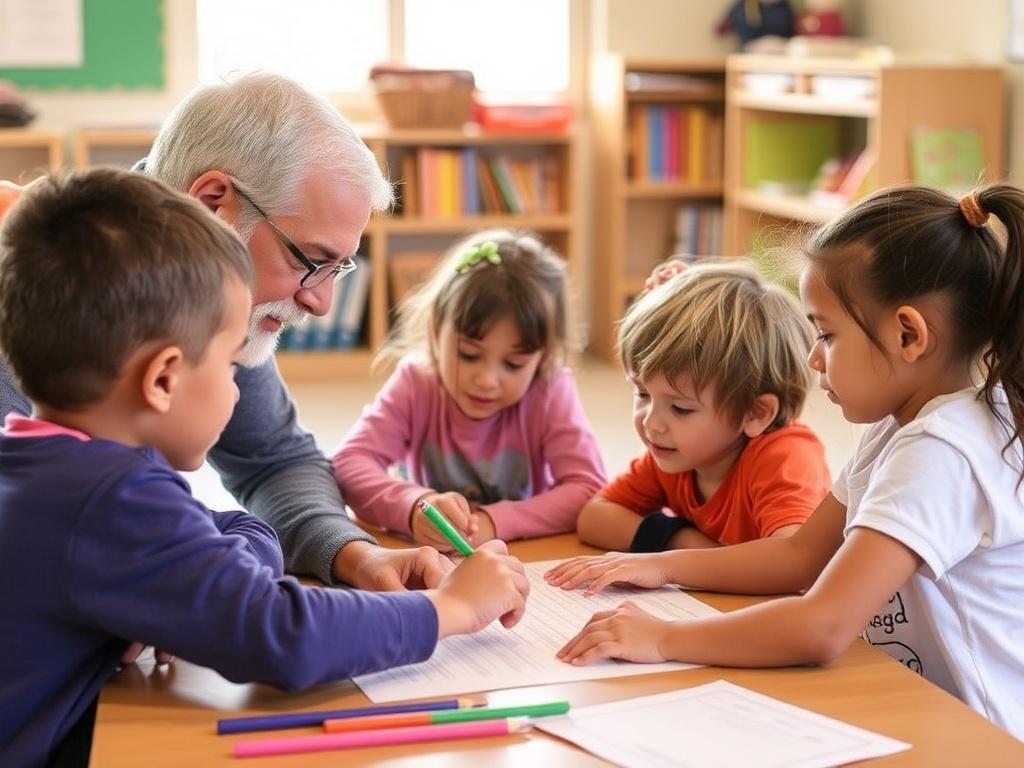
Relocating to a new country brings unique challenges for every member of an expat family, but few face the adjustment process as acutely as children. Expat children Cyprus communities comprise diverse groups navigating new cultural landscapes, languages, and education systems. Understanding how to support them effectively bridges the gap between disruption and stability, enabling healthy growth within expat family life Cyprus offers. This detailed guide explores the crucial aspects of education and activities for expat children in Cyprus, catering to the needs of parents committed to nurturing their children’s development abroad.
Understanding the Expat Family Environment in Cyprus
Cyprus attracts expats for many reasons: its Mediterranean climate, strategic location, welcoming communities, and robust infrastructure. Families moving here often find themselves juggling careers, social integration, and the delicate task of ensuring their children adapt smoothly. Expat parenting Cyprus requires appreciating the complexities of a multicultural environment, where kids are exposed to multiple languages and educational models.
The island has both Greek and Turkish influences alongside a rapidly growing international community. Children can attend local public schools, international schools, or private bilingual options that cater specifically to expat needs. Each choice reflects different lifestyle and cultural implications. Parents balancing professional demands often seek comprehensive activity programs to supplement formal schooling, ensuring their children maintain social connections and physical well-being.
Creating a supportive expat family life in Cyprus hinges on understanding the educational system and integrating children into meaningful activities.
Educational Options for Expat Children Cyprus
One of the most critical decisions expat parents face is selecting the right educational path for their children. Children education expats Cyprus typically encounter falls into three main categories: local Cypriot public schools, private international schools, or homeschooling options.
Local Public Schools: The Cypriot government runs public education, primarily delivered in Greek or Turkish, depending on the region. While these schools offer free education, the language barrier can present significant challenges for expat children whose first language is different. Some public schools incorporate English language classes and have begun initiatives to better integrate foreign students, but rapid fluency is often necessary for success.
International Schools: Cyprus hosts a range of international schools offering British, American, French, or other curriculums. These schools provide a familiar academic environment aligned with expats’ home countries. Many implement the International Baccalaureate (IB) program or similar systems, which cater well to children transitioning between countries. These schools often also have established extracurricular programs, easing the integration process and building peer networks.
Homeschooling and Alternative Education: Some expat families opt for homeschooling driven by philosophical preferences or logistical reasons. Local regulations permit homeschooling under specific conditions, and parents must ensure compliance with the Ministry of Education. This option offers flexibility, especially for families with deeply mobile lifestyles or special educational needs that mainstream schools cannot accommodate.
Advantages and Considerations of School Choices
The choice of school depends on factors such as language proficiency, budget, educational goals, and social integration. Public schools offer immersion in local culture but demand quick linguistic adaptation. International schools guarantee continuity and often provide holistic support, albeit at a considerable cost. Homeschooling delivers customization but requires substantial parental involvement and effort to meet curriculum standards.
| School Type | Language of Instruction | Typical Curriculum | Cost Considerations | Social Integration |
|---|---|---|---|---|
| Local Public Schools | Greek or Turkish | National Curriculum of Cyprus | Free or minimal fees | High with locals, may be challenging initially |
| International Schools | English or other foreign languages | British, American, IB, others | High tuition fees | Good with international peer groups |
| Homeschooling | Parents’ choice | Customized, governed by regulations | Variable – mostly cost of resources | Limited unless supplemented by activities |
Choosing the right school system for expat children is a balance between language, curriculum continuity, and social integration.
Kids Activities Expats Cyprus: Building a Balanced Lifestyle
Beyond academics, children need avenues for creative expression, physical activity, and social interaction. Kids activities expats Cyprus offer extend well beyond traditional playground outings, shaped by the island’s climate, cultural diversity, and available facilities.
Many towns and cities provide sports clubs, artistic classes, and community centers geared to international families. These activities encourage children to meet peers from diverse backgrounds, supporting language practice and emotional resilience. Parents often take an active role in scouting opportunities to maintain an enriching environment for their children, integrating afterschool programs or weekend clubs.
Popular activity categories for expat children in Cyprus include aquatic sports, reflecting the island’s coastal setting, various team sports like football and basketball, and arts including music, dance, and theater workshops. Additionally, cultural excursions and language clubs augment children’s exposure to Cypriot heritage, helping them feel grounded in their new surroundings.
Community events hosted by embassies, international schools, and expat organizations frequently offer festivals, camps, and workshops designed to blend education with fun. These activities provide essential social cushions as children navigate homesickness and identity questions.
Integrating Activities into an Expat Family Schedule
The typical expat family life Cyprus embodies often involves juggling work commitments with kids’ needs for constructive downtime. Scheduling activities requires parents to manage transportation, costs, and the child’s interests carefully. Effective expat parenting Cyprus includes balancing structured programs with free, unstructured playtime to foster independence.
Technology can both aid and hinder activity planning. While digital platforms help find and book activities, limiting screen time is pivotal to encourage physical engagement. Parents who participate alongside their children often strengthen family bonds and model healthy habits.
Engaging children in diverse activities contributes significantly to their well-being and sense of belonging in a foreign country.
The Role of Language and Cultural Adaptation in Education and Activities
Language proficiency is the cornerstone of a successful experience for expat children Cyprus-wide. Schools and activities that promote bilingualism or multilingualism serve as vital tools for academic success and social interaction. Many expat families prioritize early language education for their children, enrolling them in English or Greek language classes as soon as they arrive.
Cultural adaptation extends beyond language. It encompasses understanding local customs, holidays, societal norms, and developing cultural sensitivity. Programs offering cultural immersion, such as history workshops or cooking classes centered on Cypriot traditions, can deeply enrich children’s perspectives and diminish feelings of alienation. These initiatives also enhance children’s appreciation of their host country, fostering lifelong open-mindedness.
The experience of cultural adjustment varies by age group. Younger children often adapt quicker through play and peer interaction, while teenagers may confront identity conflicts and social pressures. Tailoring support to these developmental stages is essential in expat parenting Cyprus.
Key Strategies for Supporting Language and Culture
- Enroll children in language boot camps or summer immersion courses.
- Participate in local festivals and community celebrations.
- Create a bilingual home environment when possible to reinforce skills.
- Encourage friendships with both local and international children.
- Access counseling or peer support groups addressing cultural identity.
Language and cultural fluency empower expat children to build confidence and meaningful connections.
Health, Well-Being, and Emotional Support for Expat Children in Cyprus
The mental health and well-being of expat children remain a priority for parents adjusting to life abroad. The upheaval of moving, coupled with the potential loss of familiar support networks, can stress even the most resilient kid. Expat parenting Cyprus involves proactive measures to recognize signs of stress, loneliness, or anxiety and intervene early.
Schools and activity organizers increasingly incorporate emotional well-being into their programs. Child psychologists and counselors familiar with cross-cultural issues offer invaluable resources through schools or private practice. When children feel heard and supported, they display better academic outcomes and social integration.
Maintaining a healthy lifestyle through balanced nutrition, physical exercise, and regular routines also mitigates the stress of transition. Parents are encouraged to build communities with other expat families to share experiences and advice, creating a robust relational network for children.
Emotional support systems form a critical safety net ensuring that expat children thrive, not just survive.
Practical Tips for Expat Parenting Cyprus
Successfully raising children abroad challenges parents to adapt their parenting style, often blending familiar methods with new cultural contexts. Expat parenting Cyprus requires a proactive approach to communication, patience, and flexibility.
Establishing routines that incorporate local customs helps children adjust while maintaining a sense of continuity from their home countries. Open dialogue with children about their feelings regarding the move fosters trust and emotional resilience. Parents should also network with other expat or local families for support and advice.
Healthcare registration, school enrollment, language tutoring, and extracurricular activity signups become part of the daily logistical puzzle. Staying informed about local educational policies, holiday calendars, and community events enables parents to anticipate challenges before they escalate.
Lastly, being sensitive to children’s evolving identity as they merge home and host cultural influences encourages them to embrace their unique global citizenship.
| Practical Advice | Benefit |
|---|---|
| Maintain a routine blending old and new traditions | Helps children feel secure and connected |
| Engage with expat community groups | Provides social support and shared experiences |
| Monitor language acquisition progress closely | Ensures academic success and confidence |
| Encourage open communication about adaptation challenges | Supports emotional health and coping skills |
| Explore diverse extracurricular activities | Builds social networks and broadens horizons |
Expat parenting in Cyprus is about building bridges between worlds while fostering a secure, nurturing environment.
Making the Most of Expat Children's Learning and Growth in Cyprus
Parents and caregivers stationed in Cyprus have a unique chance to shape their children’s growth in culturally rich and stimulating surroundings. Supporting expat children through deliberate education choices and engaging activities directly impacts their adaptability, academic achievement, and lifelong curiosity.
Cyprus offers diverse pathways for learning that embrace international standards without losing connection to local heritage. By strategizing thoughtfully, parents can help their children navigate the complexities of identity while thriving socially and intellectually. The balance of structured learning, language development, physical well-being, and emotional support creates a foundation for confident, well-rounded global citizens.
As families settle in, fostering curiosity about the world and building connections across cultural lines will serve expat children well in their present environment and beyond. Cyprus, with its unique blend of tradition and international presence, represents an ideal backdrop for this transformative journey.
Embracing the advantages of Cyprus’s educational and cultural resources equips expat children with tools for success and resilience.
Empowering Tomorrow's Global Citizens: Your Role in Expat Children's Success
Understanding the multifaceted needs of expat children Cyprus brings is a first step. Moving forward, the empowerment of these children depends heavily on the active involvement and informed decisions of their parents. By thoughtfully choosing education options aligned with each child’s needs and encouraging meaningful engagement in extracurricular activities, parents act as architects of a supportive, enriching childhood abroad.
Expat parenting Cyprus is a continuous learning process, where families navigate unfamiliar terrains while holding onto their values. The rewards manifest as increased confidence, adaptability, and cultural fluency in their children. In essence, investing in children’s education and activity involvement today paves the way for tomorrow’s global citizens—equipped, empathetic, and ready for the world.
Your involvement and informed choices shape the foundation for your expat children’s thriving future in Cyprus and beyond.
Frequently Asked Questions
- What are the main school options available for expat children in Cyprus?
The main options include local public schools (mostly in Greek or Turkish), international schools offering British, American, or IB curricula, and homeschooling under Cyprus Ministry of Education guidelines. - How can parents support expat children's language learning in Cyprus?
Parents can enroll children in language courses, encourage practice with peers, participate in cultural events, and foster bilingual environments at home. - What types of extracurricular activities are popular among expat children in Cyprus?
Popular activities include swimming, football, basketball, music lessons, dance, theater, and cultural clubs hosted by community or international groups. - Are there mental health resources available for expat children experiencing adjustment difficulties?
Yes, many international schools provide counseling services, and some private practitioners specialize in cross-cultural child psychology to support expat children’s well-being. - What challenges do expat parents face when integrating children into local education systems?
Challenges often include language barriers, cultural differences, adapting to new teaching styles, and aligning curricula with the child’s previous education. - How can expat families in Cyprus build supportive communities?
Joining expat groups, participating in embassy or community events, and enrolling children in group activities helps create social networks and shared experiences. - Is homeschooling a viable option for expat families in Cyprus?
Yes, homeschooling is permitted with specific regulations. Parents need to follow Ministry of Education rules and ensure their child’s curriculum meets educational standards.