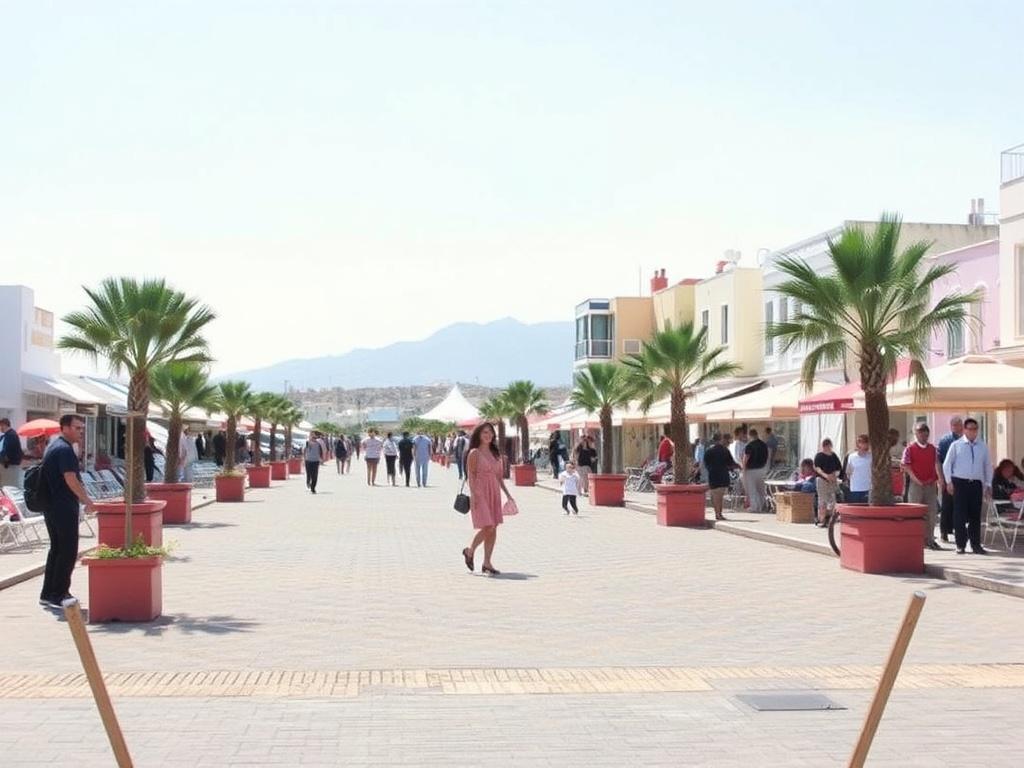
Cyprus occupies a unique position at the crossroads of Europe, Asia, and Africa, making its business environment a fascinating blend of cultural influences from both the West and the Mediterranean. For expats looking to establish a foothold or advance their career in this island nation, comprehending the nuances of Cyprus business culture is essential. This article offers an in-depth exploration of the professional culture Cyprus exhibits, covering social expectations, communication styles, hierarchical structures, negotiation tactics, and more. By delving into the intricacies of working culture Cyprus truly embodies, expats can equip themselves to navigate the local business landscape effectively and respectfully.
Understanding Cyprus business culture means appreciating how history, geography, and social customs interplay in professional settings. It also involves recognizing the subtle differences that distinguish Cyprus from other European countries, particularly when it comes to personal relationships, time management, and communication. These elements heavily influence how decisions are made and how business operations function on a day-to-day basis.
The essence of Cyprus business culture lies in balancing formal professionalism with warm interpersonal connections.
The Historical and Cultural Context Behind Cyprus Business Culture
Before analyzing the contemporary professional culture Cyprus maintains, it’s helpful to understand its historical and cultural background. Cyprus has a long history of various ruling powers including the Greeks, Romans, Byzantines, Venetians, Ottomans, and British. Each era left layers of influence that still resonate today in social norms, organizational structure, and business habits. The modern Republic of Cyprus emerged in 1960, inheriting the British common law system, which affects legal and commercial frameworks that expat businesses Cyprus encounter.
The Greek Cypriot majority shapes much of the business etiquette Cyprus travelers and professionals will meet. Their societal values emphasize community, family, and tradition. Hospitality is considered not just a courtesy but a way of life, which transcends into professional interactions as well. In contrast, the Turkish Cypriot community has a slightly different approach impacted by Turkish customs and governance in the northern part of the island. However, united by the island’s overall Mediterranean character, both communities prize personal relationships highly when it comes to business dealings.
Religious and cultural holidays, such as Easter and Christmas, hold significant importance and often influence the rhythm of business activities. Expats should be aware of these calendar landmarks and their implications on working schedules.
History and cultural diversity shape the rich tapestry of professional culture Cyprus presents today.
Key Features of Cyprus Business Culture
Cyprus business culture is typified by strong emphasis on respect, hierarchy, and relationship-building, combined with a somewhat informal social atmosphere. Professionalism does not mean cold rigidity but includes warmth and approachability. Leaders and senior managers maintain authority, but accessibility is valued to encourage open communication. This duality creates a unique workplace environment.
One of the defining features is the importance placed on personal relationships. Trust tends to develop through face-to-face meetings rather than distant communications or contracts alone. Many businesses function on long-term personal connections, and decision-making often considers the social standing and reputation of the parties involved. Expats engaging in any form of business should prioritize building rapport before attempting to push forward deals or negotiations.
Another critical aspect of Cyprus business culture is the flexibility in time management. Punctuality is appreciated but not rigidly enforced. Meetings may start later than scheduled, and deadlines might be adjusted. This is not a sign of disorganization but rather reflective of the value placed on social interaction and relational harmony.
In Cyprus, business success is frequently rooted in warm personal connections and respectful interactions.
Communication Styles in the Professional Culture Cyprus Demonstrates
Communication within the working culture Cyprus exhibits is often indirect and context-dependent. Cypriot professionals typically avoid blunt refusals or confrontational language, instead using softer ways to express disagreement or hesitation. This style stems from the cultural priority of maintaining harmony and face-saving. Expats must read between the lines and notice non-verbal cues such as tone, body language, and pauses.
Cypriots generally prefer in-person or telephone conversations over emails for sensitive or important discussions. Written communications are usually formal and respectful but may lack the immediacy or directness common in other Western cultures.
In business meetings, small talk plays a significant role. Topics such as family, football, or local events serve as icebreakers, helping to establish connection before moving to business matters. Interruptions during discussions are not uncommon and should not be interpreted as disrespect but as a sign of enthusiasm and engagement.
When writing official documents or contracts, language may be detailed and formal; however, verbal agreements often carry weight in Cypriot business dealings. This underlines the importance of relationship-building in tandem with legal precautions.
Understanding indirect communication and valuing relationship-building are crucial to thriving in Cyprus business culture.
Hierarchy and Decision-Making in Working Culture Cyprus Shows
Cyprus business culture typically structures organizations with clear hierarchical lines. Senior executives and managers have the final say, and their positions command respect. Subordinates tend to defer to those senior figures, especially in formal contexts. However, some companies, particularly those with international ties, are incorporating flatter structures and open communication policies.
Decision-making tends to be top-down but often includes consultative elements, especially when decisions impact a broader group. While expediency is important, consensus and harmony take precedence, which can naturally slow the process. Expats should be patient and persistent without appearing confrontational or rushed.
This hierarchical respect extends to the way meetings are conducted, with senior members typically leading discussions and junior staff listening rather than actively challenging proposals in formal meetings. Nonetheless, informal discussions outside official settings may offer more opportunity for open exchange of ideas.
| Hierarchy Level | Role in Decision-Making | Typical Communication Style |
|---|---|---|
| Top Management | Final decision-maker | Formal, directive |
| Middle Management | Consults and implements | Advisory, collaborative |
| Staff/Employees | Provides input if asked | Respectful, reserved |
Respecting hierarchy while fostering open dialogue enhances cooperation within Cyprus’s working culture.
Business Etiquette Cyprus Expects in Everyday Interactions
When interacting in Cyprus’s business environments, etiquette is a critical factor that reflects both professionalism and cultural sensitivity. Expats must adopt an appropriately formal dress code, especially for initial meetings, where conservative business attire is preferred. Once relationships become established, there is often more room for relaxed dress standards but maintaining neatness and respect is paramount.
Greeting customs usually involve a firm handshake and direct eye contact. Titles and surnames should be used until invited otherwise, signaling respect toward counterparts. For Greek Cypriots in particular, addressing someone by their professional title and last name is standard protocol. Invitations for coffee or lunch during business meetings are common and should be accepted when offered, as these moments present crucial opportunities to deepen connections.
Gift-giving is not an everyday occurrence, but small, thoughtful presents may be appreciated on certain occasions like closing a significant deal or as holiday gestures. However, gifts must never appear overly extravagant as this can be misinterpreted or provoke discomfort.
Accepting hospitality often involves polite compliments and reciprocal invitations in the future. Expats should be prepared for an emphasis on trust-building that intertwines both social and professional lives.
Adhering to formal greetings, dress codes, and respectful interpersonal behavior fosters smooth business relations in Cyprus.
Working Culture Cyprus Cultivates: Work-Life Balance and Professional Expectations
The working culture Cyprus embodies balances professionalism with family-oriented values and social life. Typical working hours may range from 8:30 or 9:00 AM to 5:00 or 6:00 PM, with a longer lunch break that can sometimes include a siesta, especially in smaller towns or traditional businesses. Fridays may observe shortened hours due to religious observances and public customs.
Unlike some fast-paced business environments, Cypriot workplaces often emphasize quality over sheer speed. Meeting people’s needs on a personal level is integral to productive relationships, which sometimes means accommodating unforeseen delays or adjustments graciously. At the same time, professionalism and punctuality are appreciated increasing within multinationals and sectors such as finance, legal, and technology.
Expats working in Cyprus can expect a workplace where collaboration and consensus-building are valued alongside individual responsibility. Hierarchy still matters, but it coexists with a friendly atmosphere where colleagues often share meals or coffee breaks together.
The working culture Cyprus maintains prioritizes harmony and quality, blending work efficiency with strong social bonds.
Adapting as an Expat to the Professional Culture Cyprus Presents
For expats entering business environments in Cyprus, adaptation requires both cultural awareness and flexibility. Recognizing the importance of face-to-face interactions, patience during negotiations, and respect for hierarchy will ease integration. Expats should invest time and effort in building genuine relationships, which often pay dividends over time in trust and cooperation.
Learning basic phrases in Greek or Turkish depending on the region, familiarizing oneself with local customs, and participating in community or professional events also contribute to smoother acclimatization. Demonstrating cultural respect—such as acknowledging holidays or social traditions—sends positive signals to local colleagues and partners.
Expats will also find that Cyprus’s business environment highly values informal gatherings, often around food and drink, as vital parts of networking. Engaging in these social rituals helps build rapport beyond paperwork and contracts. Understanding when to push forward with formal agendas and when to step back for relational nurturing is a valuable skill in the professional culture Cyprus exhibits.
Success as an expat in Cyprus’s business arena hinges on cultural sensitivity, relationship-building, and patient persistence.
Business Challenges Expats May Encounter in Cyprus
Despite its welcoming atmosphere, Cyprus business culture can present challenges for newcomers unfamiliar with its nuances. Delays in decision-making might frustrate expats accustomed to faster tempos, and hierarchical structures may limit input from junior staff or external consultants. The indirect communication style could lead to misunderstandings without careful attention to context and subtleties.
Moreover, bureaucratic procedures, though improving, still contain complexities related to government regulation and certification which may require patience and local guidance. Navigating legal matters also demands respect for Cypriot law combined with the awareness of how informal business relationships often complement official processes.
Expatriates sometimes perceive the blurred boundaries between personal and professional life as challenging, especially when social obligations become frequent and extensive. However, these overlaps often contribute positively to trust-building and long-term partnerships.
Anticipating cultural and administrative challenges equips expats to manage Cyprus’s business environment more effectively.
Embracing Opportunities Within Cyprus Business Culture
Cyprus offers considerable opportunities for expat business Cyprus initiatives across sectors like tourism, finance, shipping, energy, and technology. The country’s strategic location, skilled bilingual workforce, favorable tax environment, and growing infrastructure serve as strong incentives for international entrepreneurs and professionals.
Engaging fully with the local professional culture Cyprus nurtures—understanding business etiquette, communication patterns, and decision-making styles—not only opens doors but also creates partnerships founded on mutual trust. The warmth and hospitality ingrained in Cypriot society provide fertile ground for innovation, collaboration, and sustainable growth.
As Cyprus continues expanding its role as a regional business hub, the ability of expats to adapt to and embrace its cultural environment becomes increasingly important. This cultural integration facilitates smoother operations, reduces friction, and enhances long-term success.
Thriving in Cyprus’s business world requires blending local cultural insight with global expertise to unlock true potential.
Mastering Cyprus Business Culture: Your Key to Long-Term Success
Understanding Cyprus business culture is far more than memorizing protocols; it is about immersing oneself in the rhythms of interpersonal respect, indirect communication, and harmonized decision-making that define the island’s professional atmosphere. For expat business Cyprus professionals, this understanding is crucial to building trust, forging enduring partnerships, and achieving career and entrepreneurial milestones.
Patience, adaptability, and genuine engagement with local customs will help expats move beyond surface-level cooperation to true collaboration. The professional culture Cyprus has developed is deeply rooted in its history, society, and social values, all of which demand respect and thoughtful attention.
Those who approach Cyprus’s business environment with an open mind and readiness to learn will find immense rewards in both personal growth and professional achievement. The island invites expats not merely to work here, but to become part of a vibrant business ecosystem that balances tradition and modernity, formality and warmth, structure and flexibility.
By mastering Cyprus business culture, expats unlock the door to sustainable success and meaningful professional relations on the island.
Frequently Asked Questions
- What is the typical business communication style in Cyprus?
Cyprus exhibits an indirect and context-sensitive communication style. Professionals avoid confrontation and use subtle language to maintain harmony. - How important are personal relationships in Cyprus business culture?
Extremely important; trust and rapport built through face-to-face meetings often precede formal agreements and influence decision-making. - What is the role of hierarchy in Cypriot workplaces?
Hierarchical structures are clear, with senior management making key decisions. Respect for authority is expected, though consultative elements are present. - Are Cypriot businesses punctual and deadline-oriented?
Punctuality is valued but not rigidly enforced. Deadlines may be flexible to accommodate relationships and social harmony. - How should expats dress for business meetings in Cyprus?
Conservative and neat business attire is recommended for initial meetings, relaxing only when relationships are well established. - Is gift-giving common in Cyprus business culture?
Not common daily but appropriate in some circumstances, such as concluding deals or during holidays, as long as gifts are modest. - What sectors offer the best opportunities for expat businesses in Cyprus?
Tourism, finance, shipping, energy, and technology are strong sectors with growing opportunities for international entrepreneurs and professionals.