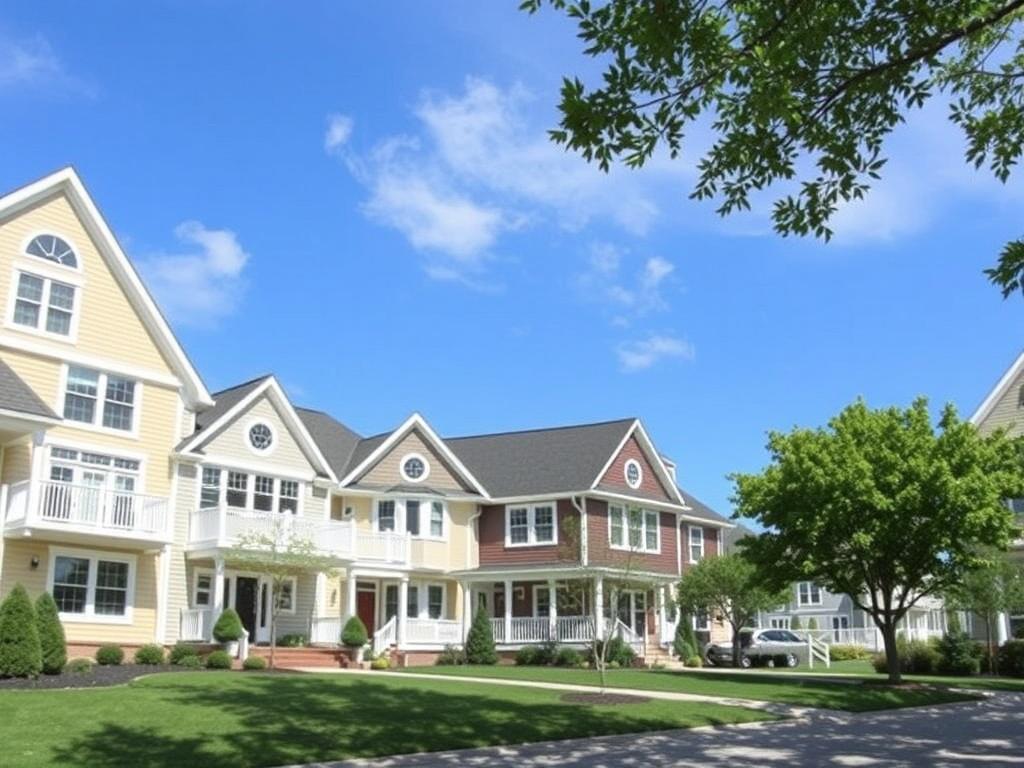
Relocating to a new country brings numerous challenges, with finding the right home topping the list. For expats moving to Cyprus, securing suitable accommodation can be complex due to the unique factors of the local housing market. Whether you are moving for work, retirement, or lifestyle change, understanding the nuances of expat housing Cyprus offers is critical to a successful and smooth transition.
Housing search expats Cyprus face involves more than just finding a property; it entails navigating legal considerations, understanding regional differences, and evaluating neighborhood characteristics. This article serves as a comprehensive guide covering everything an expat needs to know—from practical housing tips Cyprus residents swear by, to an in-depth analysis of popular neighborhoods expats Cyprus loves. The goal is to arm expats with the knowledge and tools necessary to locate, evaluate, and secure expat accommodation Cyprus options with confidence and ease.
Understanding the Cyprus Housing Market for Expats
The Cyprus property market is distinct due to its geography, climate, and history, which influence demand patterns and price trends. Expats often seek properties that provide not only comfort and safety but also accessibility to amenities and a sense of community. Expat housing Cyprus options typically range from seaside apartments to countryside villas, each with pros and cons related to location, cost, and convenience.
Unlike some large international cities, Cyprus offers a wide variety of housing types, from modern developments to traditional stone-built homes. These housing disparities demand a comprehensive approach when starting the housing search expats Cyprus newcomers undertake. The process often requires balancing budget constraints, desired lifestyle, and employment location.
When starting your housing search expats Cyprus strategy, consider these factors:
– Lease structure and duration, as many landlords prefer contracts of six months to one year
– Utility infrastructure and associated costs, which can vary depending on property age and location
– Accessibility to transportation hubs and workplaces, which impacts daily convenience
– Availability of local services including supermarkets, healthcare, and schools
– Cultural and language barriers that might influence negotiation and contract processes
Understanding local market dynamics is essential when searching for housing in Cyprus to avoid costly mistakes and delays.
Housing Tips Cyprus Experts Recommend for Expats
Navigating the expat accommodation Cyprus market can be daunting without practical guidance. Housing tips Cyprus experts often emphasize begin with clear priorities, thorough research, and awareness of legal procedures.
First, define your non-negotiables—whether proximity to work, schools, or lifestyle amenities. Prioritize key must-haves because Cyprus’s diverse regions offer different living experiences, from vibrant city life to quiet coastal towns.
Second, approach the market equipped with a realistic budget that includes all hidden costs. Many expats overlook expenses such as property maintenance, community fees, and security deposits, which can accumulate quickly.
Third, engage with local real estate agents who specialize in expat housing Cyprus. These professionals provide invaluable insights into market availability and assist with legal documentation and negotiation processes.
Fourth, demand viewing multiple properties before committing. Photos can be misleading, and personally visiting reveals the true condition and surroundings of the property.
Finally, familiarize yourself with the rental contract laws in Cyprus. Cyprus mandates written rental agreements, which protect both parties and clarify obligations. Always request contracts in English or have them translated by a certified translator.
Clear priorities and professional support significantly reduce the stress associated with finding expat housing in Cyprus.
Key Neighborhoods Expats Cyprus Prefer
Cyprus, with its varied geography, offers a range of neighborhoods catering to diverse expat needs. Being informed about neighborhoods expats Cyprus gravitate towards helps in narrowing down an ideal living area.
Below is an overview of some popular neighborhoods and what they offer:
| Neighborhood | Characteristics | Typical Expat Profile | Housing Types |
|---|---|---|---|
| Nicosia | Capital city, business hub, urban setting | Professionals, diplomats, students | Apartments, townhouses |
| Larnaca | Coastal city, smaller urban feel, modern amenities | Families, retirees, tech workers | Apartments, villas |
| Limassol | Cosmopolitan, nightlife, beachfront | Young professionals, entrepreneurs | Modern apartments, luxury complexes |
| Paphos | Historic town, resort vibe, scenic views | Retirees, holiday home investors | Villas, bungalows |
| Ayia Napa | Touristic town, lively nightlife, beaches | Seasonal workers, hospitality professionals | Apartments, studios |
Each neighborhood appeals distinctly to various expat groups based on lifestyle preferences and employment opportunities. For example, Nicosia attracts expats seeking urban efficiency close to corporate offices, while Paphos offers tranquility valued by retirees. Limassol provides a blend of vibrant city life and coastal relaxation, ideal for younger expats and entrepreneurs.
Choosing the right neighborhood affects daily living experiences, from commute times to social interactions. It is wise to spend time exploring multiple neighborhoods before making a definitive decision.
Matching your lifestyle needs with the right neighborhood in Cyprus ensures long-term satisfaction with your housing choice.
Legal and Administrative Factors in Expat Accommodation Cyprus
Legal clarity is crucial in every housing search expats in Cyprus undertake. Expats should become familiar with Cyprus property laws, rental regulations, and their rights and responsibilities toward landlords.
A typical rental contract in Cyprus includes details such as rent amount, payment schedules, contract duration, maintenance responsibilities, and termination conditions. Expats must note that many landlords require a security deposit, usually equal to one or two months’ rent.
When signing contracts, ensure that the document states the exact terms, including whether utilities and maintenance fees are included in the rent. Disputes often arise from vagueness surrounding these costs.
Additionally, registering the lease agreement with the local municipality is a legal requirement. This process protects tenants and landlords and may be necessary for residency applications or utility connections.
Property ownership in Cyprus is governed by clear title deeds and is generally buyer-friendly. However, expats who choose to purchase property instead of renting should conduct thorough due diligence, including verifying land registry status and property liens.
Legal due diligence and contract clarity prevent future conflicts in your Cyprus housing journey.
Housing Search Strategies for Expats Moving to Cyprus
A structured approach maximizes efficiency and success in the often competitive Cyprus housing market. Experienced expats recommend several housing search expats Cyprus strategies to optimize outcomes.
Start by leveraging online portals that specialize in Cypriot real estate for expats. Platforms such as Bazaraki, Cyprus Property, and Expat.com list available rentals and sales, often with detailed photos and descriptions.
Second, tap into local expat communities and social media groups. These networks provide firsthand experiences, recommended agents, and off-market opportunities.
Third, always plan ahead. The Cyprus market can be seasonal, with high demand during spring and summer months. Begin your search at least 2-3 months before your intended move-in date.
Fourth, consider short-term accommodation initially. Renting a furnished apartment or serviced housing for the first few weeks or months allows you to gain local insights and visit properties in person without committing prematurely.
Finally, engage professionals. Real estate agents familiar with expat housing Cyprus assist not only in locating properties but also in navigating contracts and negotiations.
This methodical search process helps expats avoid rushed decisions and find housing that genuinely fits their needs and budget.
Combining digital resources with local expertise yields the best results in Cyprus’s housing market.
Unique Challenges and How to Overcome Them
Expats encounter specific challenges when searching for housing in Cyprus. One major obstacle is language barriers, especially when negotiating contracts or discussing terms with landlords. Although many professionals speak English, some landlords and agencies primarily operate in Greek, requiring patience and possibly translation assistance.
Another challenge is the variable standard of properties. While many new developments offer modern amenities, some older buildings lack insulation or quality construction. Expats must assess each property carefully, ideally with the help of a local expert.
Furthermore, demand in popular areas can result in competitive markets with properties rented quickly. Patience, flexibility, and responsiveness are key to securing favorable deals.
Utility setups can also present complications, given that electricity, water, and internet providers differ by region. Expedient setup often involves paperwork and deposits, processes unfamiliar to first-time residents.
Lastly, cultural differences affect housing interactions: for example, some landlords prefer in-person meetings, which requires expats to adapt social expectations.
By anticipating these challenges, expats can prepare adequately and turn potential obstacles into manageable steps.
Preparation and cultural sensitivity empower expats to navigate Cyprus’s housing market effectively.
Cost Considerations and Budgeting for Expat Housing in Cyprus
The financial aspect of expat accommodation Cyprus options varies widely. Setting a realistic budget is critical to avoid disappointment and financial strain.
Rent prices depend mainly on location, property type, and condition. For example, limassol apartments tend to be more expensive compared to rural village houses. In general, monthly rents for a one-bedroom apartment range between €400 and €800, while larger villas can exceed €1,500, especially in coastal areas.
Additional costs include community fees, utility bills, and maintenance expenses. Community fees, common in apartment complexes and gated communities, may cover security, cleaning, and landscaping services.
The security deposit generally equals one to two months’ rent and is refundable, subject to property condition at lease end.
Budgeting for initial move-in expenses, such as furnishing, appliance purchase, and internet connection deposits, should also be considered.
Summary of Typical Costs
| Expense | Estimated Range (€) |
|---|---|
| Monthly Rent (1-bedroom apartment) | 400 – 800 |
| Monthly Rent (3-bedroom villa) | 900 – 1,800+ |
| Security Deposit | 1-2 months’ rent |
| Community Fees (monthly) | 30 – 100 |
| Utilities (monthly) | 100 – 200 |
Careful budgeting including both upfront and recurring costs protects your finances during your transition to Cyprus.
Final Notes: Your Journey to Finding the Ideal Home in Cyprus
Embarking on a housing search as an expat in Cyprus requires more than simple property hunting—it is a strategic and intentional process. Armed with local market understanding, legal awareness, and practical housing tips Cyprus specialists recommend, newcomers can confidently navigate this journey.
Exploring neighborhoods expats Cyprus favor is critical because it shapes your everyday life far beyond the walls of your new home. Whether you prioritize vibrant city vibes, serene coastal living, or community-oriented villages, Cyprus offers diverse housing solutions for every need.
Ultimately, the key to success lies in taking a measured approach; combining online research with in-person inspections, leveraging professional guidance, and preparing financially ensures your expat accommodation Cyprus experience becomes a positive foundation for life in this beautiful Mediterranean island.
With preparation, patience, and knowledge, your Cyprus housing search transforms from daunting to rewarding—a true first step to thriving as an expat.
Frequently Asked Questions
1. What is the best time to start looking for housing in Cyprus as an expat?
Start your search at least 2-3 months before your planned move to allow enough time for property viewings and contract negotiations.
2. Are rental contracts in Cyprus available in English?
Many landlords provide contracts in English for expats, but having them reviewed or translated by a certified professional is advisable to ensure clarity.
3. Can expats buy property in Cyprus?
Yes, expats can buy property without restrictions, but they should conduct thorough legal checks and consult professionals to verify ownership and title deeds.
4. How much is the typical security deposit for renting accommodation?
Security deposits usually amount to one or two months’ rent and are refundable at the end of the lease if the property is in good condition.
5. Are utilities included in the rent in Cyprus?
Utilities are generally paid separately unless explicitly included in the rental agreement. Verify with your landlord which utilities you are responsible for.
6. Is it better to rent or buy property as a new expat in Cyprus?
For newcomers, renting initially is recommended to familiarize yourself with the area and market before committing to a purchase.
7. What neighborhoods are most popular among expats in Cyprus?
Nicosia, Limassol, Larnaca, and Paphos are among the top neighborhoods favored by expats due to their amenities, safety, and lifestyle offerings.