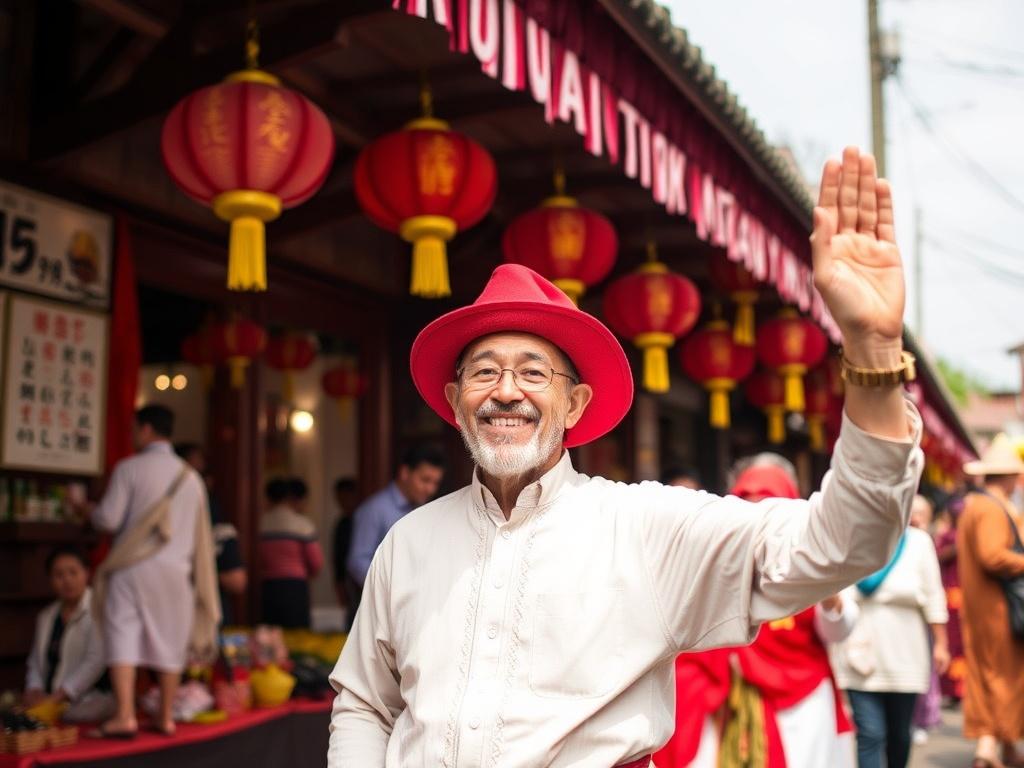
Moving to a new country presents an exhilarating opportunity to immerse yourself in a culture that is both unfamiliar and rich with historical depth. For expatriates settling in Cyprus, the local traditions and festivals open wide windows into the island’s soul. Cyprus, known for its vibrant history that spans millennia, offers a blend of Cypriot customs, local festivals, and cultural events that captivate newcomers and long-time residents alike. Understanding these facets is not just about enjoyment; it’s a conduit for meaningful integration and a deeper appreciation of this Mediterranean jewel.
For expats, the journey towards belonging often begins with experiencing the pulse of the community through its traditions and celebrations. Cyprus traditions expats must be aware of are rooted in religion, agriculture, folklore, and family, providing a structured yet lively framework for participation. This article delves comprehensively into the essential customs, the marquee festivals, and cultural gatherings that expats can embrace, ensuring a rich experience while living on the island.
The Cultural Significance of Cyprus Traditions for Expats
Cyprus traditions expats encounter are deeply interwoven with the island’s Orthodox Christian heritage, its agricultural lifestyle, and the historical layers shaped by diverse conquerors and settlers. The local customs cycle through the year, marking seasons, religious milestones, and social gatherings that build and reinforce community bonds.
For expats, understanding the historical and cultural backdrop of these traditions is critical—it frames their relevance and invites meaningful participation rather than mere observation. Cyprus’s identity is a mosaic crafted over centuries with influences from Greek, Turkish, Venetian, Ottoman, and British presences, each adding to the complexity of local customs expats come across.
Food plays a pivotal role in many traditional celebrations Cyprus offers. Feasts are often communal, underscoring the agrarian roots of the festivals and the importance of family cohesion. Through festivals and religious ceremonies, expats witness the cyclical nature of island life, which celebrates renewal, remembrance, and resilience.
Participating in Cyprus traditions as an expat is more than attending an event; it’s stepping into a rich cultural narrative that connects past and present communities.
Religious Festivals and Their Role in Cyprus Customs for Expats
Orthodox Christianity shapes much of Cyprus’s traditional calendar, defining major celebrations that are observed with both solemnity and festivity. For expats, religious festivals offer not just spiritual insights but communal experiences where locals express identity, faith, and hospitality.
One of the most significant religious events is Easter, where customs begin with the Holy Week rituals culminating in the midnight Resurrection service. Expats may find the lighting of the “Holy Light,” the exchange of red-dyed eggs, and communal feasting an immersive way to understand the depth of these traditions.
Other notable religious celebrations include the Feast of the Assumption on August 15th, when the island’s churches fill with devotees, and the feast days of saints widely venerated across Cyprus. Attending these events allows expats to witness a blend of medieval traditions and contemporary worship.
Although religious in nature, these festivals are often as much social and cultural events, with markets, music, dancing, and local food vendors creating a festival atmosphere.
Local Festivals in Cyprus: A Calendar of Celebration for Expats
The calendar year in Cyprus is dotted with multiple local festivals, ranging from religious to secular, agrarian to folkloric. For expats wishing to experience a broad spectrum of local festivals Cyprus is known for, careful planning alongside the traditional Cypriot calendar allows immersion into the island’s lively social life.
Some festivals attract visitors from far beyond Cyprus, while others remain intimate affairs in small villages. Each festival reflects unique local identity markers, from wine production to harvesting, from ancient myth reverence to modern civic celebrations.
| Festival | When | Description |
|---|---|---|
| Kataklysmos (Festival of the Flood) | Late May to Early June | A maritime-themed festival celebrating the biblical flood with water games, music, and dance by the coast. |
| Limassol Carnival | February or March | One of Cyprus’s grandest events, the carnival features parades, costume parties, and lively street festivities lasting a few days. |
| Wine Festival, Limassol | Late August | Dedicated to the island’s wine-making traditions, it features tastings, folklore performances, and showcases local gastronomy. |
| Anthestiria (Festival of Flowers) | Spring | An ancient festival revived in some areas involving floral decorations, music, and storytelling, emphasizing nature’s rebirth. |
Local festivals in Cyprus blend ancient myth, religious devotion, and joyful celebration, offering expats vivid insights into island life.
Traditional Celebrations Cyprus Expats Should Not Miss
Among the many traditional celebrations Cyprus expats should engage with, several stand out for their cultural weight and opportunity for participation. These celebrations embody the island’s spirit, revealing intricate customs often unnoticed in routine life.
One key example is the Pomegranate Festival, celebrated in various villages where the fruit is a symbol of fertility and abundance. Alongside tasting traditional dishes, expats can witness folk music and dances specific to that region, gaining a window into localized expressions of Cypriot identity.
Similarly, the “Vineyards Blessing” ceremonies before harvest season are delicate cultural moments. Villagers often gather to bless the vineyards for a bountiful harvest, accompanied by traditional songs and communal meals.
These celebrations differ from large-scale festivals in their intimacy and direct ties to the land and agricultural cycles, drawing expats closer to the core of Cyprus traditions expats value profoundly.
How Expats Can Participate in Cyprus Customs
Adapting to and participating in Cyprus customs expats encounter depends heavily on an open mindset and respect for local norms. Invited to join a church procession or village feast, it is essential to understand the significance and etiquette to avoid unintentionally causing offense.
Simple gestures such as dressing modestly for religious ceremonies, bringing small gifts when visiting households, or learning basic Greek greetings can enhance an expat’s experience and acceptance within communities.
Moreover, engaging with local cultural groups or attending organized cultural events expats Cyprus frequently offers, provides regular opportunities to learn and deepen connections. Many municipalities offer cultural centers that host workshops, concerts, and exhibitions focusing on traditional crafts and history, particularly welcoming newcomers.
Participation rooted in respect transforms an expat’s observation of customs into active cultural integration within Cypriot society.
Understanding the Diverse Regional Variations in Cyprus Traditions
Cyprus’s traditions are not monolithic; they exhibit distinct regional flavors influenced by geography, history, and population. Expats often discover that traditions in the mountainous Troodos region contrast with coastal celebrations, adding layers to the island’s cultural tapestry.
The villages in the Paphos district might emphasize wine and olive oil production in their festivals, highlighting their agricultural economies, whereas urban centers like Nicosia incorporate more modern elements into their traditional celebrations.
This regional diversity reflects the island’s socio-economic realities and historical trajectories, creating an environment where multiple versions of traditional celebrations coexist alongside one another.
For expats, exploring different parts of the island during festival times enriches understanding and appreciation. It also reveals the adaptive nature of Cyprus customs expats encounter, ensuring that these living traditions remain relevant and vibrant.
The Impact of Modernization and Tourism on Local Festivals Cyprus
The rise of tourism and contemporary lifestyles has inevitably influenced local festivals Cyprus holds dear. While modernization brings infrastructure and exposure, it can also challenge the authenticity and communal spirit of celebrations.
Many festivals have expanded in scope to cater to tourists, sometimes diluting traditional practices to enhance entertainment value. This tension is palpable in places like Limassol during its carnival or the Wine Festival, where commercial interests and cultural preservation intersect.
However, local communities in Cyprus actively work to maintain the integrity of their customs through education and by embedding traditional components firmly within festival frameworks. Expats observing or participating in these events witness this dynamic interplay between conservation and adaptation.
Modernization and tourism reshape Cyprus’s festivals but also provide a platform for broader cultural exchange that expats can appreciate and support.
How Cultural Events Expats Cyprus Encounter Foster Community and Identity
Cultural events in Cyprus serve as more than entertainment; they act as pillars for social cohesion and identity reinforcement. For expats, attending these gatherings offers a revealing glimpse into how Cypriots relate to their history and each other.
Folklore festivals, handicraft exhibitions, and music concerts rooted in the island’s heritage form a framework through which tradition is both celebrated and renewed. Expats have opportunities to not only observe but contribute, for example by sharing their cultural perspective in multicultural festivals increasingly conducted on the island.
These events often coincide with traditional celebrations Cyprus organizes, creating overlapping layers of meaning and opportunity for connection that are critical for expats seeking community in their new home.
Bringing It All Together: Why Embracing Local Traditions Matters for Expats in Cyprus
Living abroad entails challenges but also remarkable growth. For expats in Cyprus, fully experiencing local traditions goes beyond surface-level tourism or casual attendance at festivals. It ensures a richer, more grounded integration into society, fostering respect and empathy between cultures.
Cyprus traditions expats engage with reveal the island’s collective values: hospitality, family, spirituality, connection to the earth, and resilience. Through participation, expats not only honor these values but also add to the evolving story of Cyprus in the 21st century.
The blending of old and new, local and foreign, traditional and modern, underscores Cyprus’s unique cultural narrative and offers expats an extraordinary cultural experience worth embracing.
Embracing Cyprus’s local traditions and festivals empowers expats to transform their stay from a simple relocation into a meaningful cultural journey.
Unlocking the Spirit of Cyprus: A Gateway to True Cultural Connection
Cyprus thrives on its past as much as on its present vibrancy, and the island’s traditions and festivals stand testament to this ongoing story. For expats, these are far more than occasional events on a calendar; they are living invitations to belong, to contribute, and to grow alongside a culture that values its history while welcoming change.
Taking time to explore religious festivals, to participate in local festivals Cyprus offers across different regions, and to respect Cyprus customs expats observe, lays the foundation for a rich, authentic experience. These elements cultivate an enriched lifestyle amid stunning landscapes, warm communities, and historical resonance.
Ultimately, the tapestry of traditional celebrations Cyprus presents to expats is a gateway to deeper understanding and lasting connections—essential ingredients for making Cyprus truly feel like home.
Frequently Asked Questions
-
What are the most important traditional festivals for expats to experience in Cyprus?
The most important include Easter celebrations, Limassol Carnival, Kataklysmos (Festival of the Flood), and the Limassol Wine Festival, each offering deep cultural and communal experiences.
-
How can expats respectfully participate in local Cyprus customs?
By learning about the significance of customs, dressing appropriately, engaging politely, accepting invitations, and showing interest in language and traditions, expats foster respectful participation.
-
Are there regional differences in traditional celebrations across Cyprus?
Yes, traditions vary between coastal areas, mountainous regions, and urban centers, reflecting local history, economy, and community character.
-
How has tourism affected Cyprus’s traditional festivals?
Tourism has expanded festival reach but sometimes commercialized events; however, locals actively work to preserve authenticity and cultural integrity.
-
Can expats join cultural events beyond public festivals?
Absolutely. Many cultural centers host workshops, exhibitions, and smaller events open to expats wanting deeper engagement with Cypriot culture.
-
Do local festivals offer opportunities for expats to meet locals?
Yes, festivals and celebrations are communal events ideal for social interaction, making them excellent settings for expats to connect with Cypriots.
-
What role does religion play in Cyprus traditions for expats?
Orthodox Christianity heavily influences most traditions and festivals, providing the framework for many celebrations that expats can respectfully observe or join.