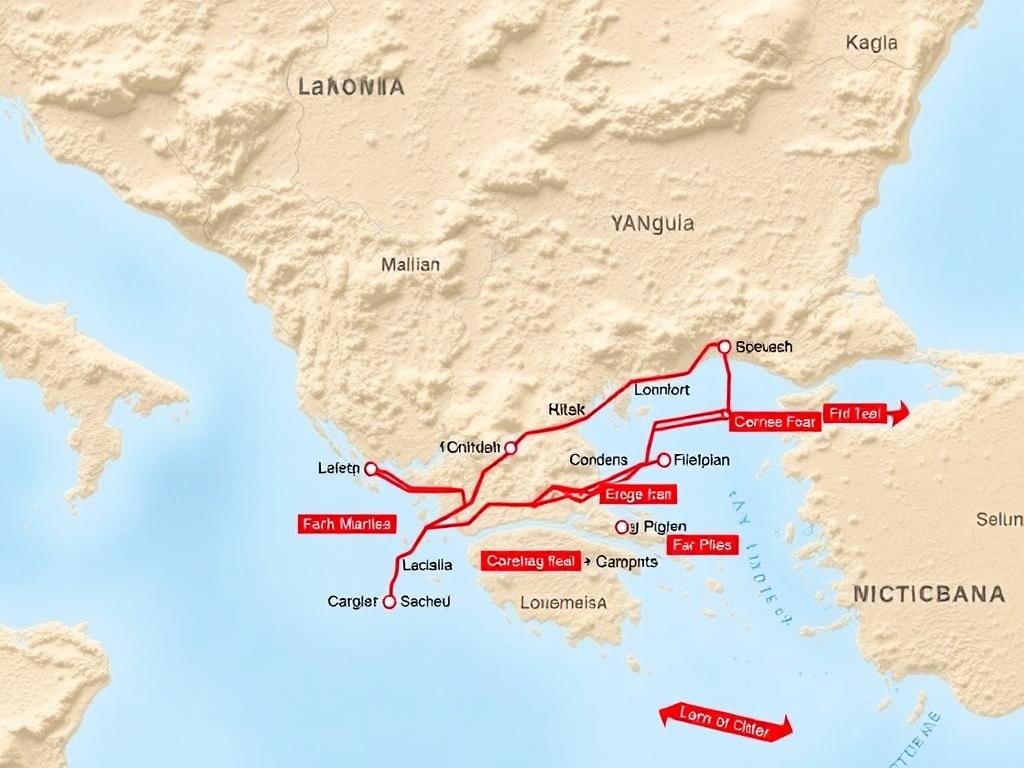
Cyprus, an island nation in the Eastern Mediterranean, is a destination where diverse landscapes, historical sites, and bustling cities converge. Efficient intercity travel Cyprus options are essential for residents and tourists alike to explore this vibrant country fully. Understanding the nuances of travel between cities Cyprus enables smoother journeys and better planning. Key urban hubs such as Nicosia, Limassol, Larnaca, and Paphos are connected through a network of intercity transport services, with intercity bus routes Cyprus playing a predominant role.
This article delves into the intricacies of city to city travel Cyprus, highlighting primary travel modes, route coverage, operational details, and the changing landscape of intercity mobility on the island. Whether your priority is time efficiency, budget-friendliness, or comfort, this comprehensive review offers practical insights into navigating Cyprus’s intercity fabric effectively.
The Framework of Intercity Travel Cyprus
Travel between cities Cyprus is shaped by its unique geographical and infrastructural context. The island’s relatively small size—approximately 9,251 square kilometers—means that distances between major cities rarely exceed 160 kilometers. Despite the short distances, the need for reliable intercity transport is crucial, facilitating commerce, tourism, and daily commuting.
Cyprus intercity transport infrastructure has evolved over time, adapting to both local demands and international travel trends. Currently, the backbone of intercity travel remains the extensive bus network, supplemented by private hire services including taxis and car rentals. The road network is generally well-maintained, providing smooth vehicular transit across coastal and inland areas.
The primary considerations for intercity travel Cyprus infrastructure include route density, frequency, and accessibility. Furthermore, the political division of the island introduces complexity, as transport options differ between the Republic of Cyprus-controlled south and the Turkish-controlled north.
Understanding the physical and political landscape of Cyprus is key to mastering intercity travel on the island.
Intercity Bus Routes Cyprus: The Primary Mode of Transport
Among all options, intercity bus routes Cyprus stand out as the mainstay of public intercity transportation. Managed primarily by private operators alongside some government oversight, the intercity bus system connects the largest cities and several smaller towns, offering a relatively economical alternative to personal vehicles.
Core routes link cities such as Nicosia, Limassol, Larnaca, Paphos, and Famagusta. These buses run on fixed schedules, making it easy for passengers to plan trips. The tickets are affordable, and depending on the route and operator, buses often provide modern comforts including air conditioning and free Wi-Fi.
For instance, the Nicosia to Limassol route is among the busiest, reflecting the strong economic and social ties between the two cities. Limassol to Paphos, and Larnaca to Nicosia, are similarly heavily trafficked routes due to tourism and business needs.
Beyond primary corridors, there are smaller, less frequent routes serving rural areas or connecting municipalities to city centers. These feeder routes are vital for inclusivity, ensuring that residents in more remote locations remain integrated into the island’s transport network.
| Route (City to City) | Distance (km) | Approximate Travel Time | Frequency | Key Operator(s) |
|---|---|---|---|---|
| Nicosia – Limassol | 85 | 1 hour 15 mins | Every 30-60 mins | Intercity Buses Ltd. |
| Limassol – Paphos | 70 | 1 hour | Hourly | Limassol Express |
| Larnaca – Nicosia | 45 | 45 mins | Every 45 mins | Alpha Tours |
| Nicosia – Famagusta | 60 | 1 hour 10 mins | Less frequent | Varied private operators |
Intercity bus routes in Cyprus cover all major city pairs with frequent schedules, supporting seamless travel for work and leisure.
Travel Between Cities Cyprus: Alternative and Supplementary Options
While intercity bus routes Cyprus form the core of city to city travel Cyprus, other options merit attention depending on needs such as speed, privacy, or flexibility. Car rentals are widely available and popular among tourists wishing to explore off-the-beaten-path destinations or travel on personal schedules.
Private taxi services and ridesharing have also gained traction. These options provide direct door-to-door service without fixed routes. Taxi fares between cities can be higher than buses but offer faster and more comfortable transit, especially for groups or people with heavy luggage.
Moreover, Cyprus features organized shuttle services through certain hotels and tour operators. These operate on semi-fixed routes, mainly oriented toward connecting airports with cities or tourist hotspots. Those traveling from Larnaca or Paphos Airports to urban centers will find these shuttle routes convenient and cost-effective.
Although Cyprus does not currently have an operational intercity rail network, there have been discussions about reviving or developing rail infrastructure. For now, roads remain the lifeline of intercity transport. Improvements to highways continue to reduce travel times and increase safety.
Alternative travel modes complement Cyprus’s intercity bus network, catering to diverse traveler preferences and requirements.
Geographic and Demographic Influences on City to City Travel Cyprus
The physical geography of Cyprus—marked by mountainous regions such as the Troodos range and coastal plains—significantly influences intercity transport routes and travel times. Major roads generally skirt the mountains for directness and speed, though some routes provide scenic drives through areas of natural beauty.
Population density is highest in and around Nicosia, Limassol, and Larnaca. This creates busier travel corridors and frequent intercity connections. Paphos, though smaller, is a crucial node due to its tourism appeal, especially during peak seasons when intercity travel spikes.
The northern territories present a challenge for intercity travel Cyprus. Due to political division, direct routes between southern and northern cities are limited. Crossing points exist, yet travel remains regulated, requiring documentation checks and sometimes visas, which impact the flow and frequency of transport routes.
These factors combined mean that while Cyprus is generally easy to traverse, some routes require more careful planning, especially for travelers unfamiliar with local nuances.
Geography and demographic patterns shape the flow and frequency of intercity travel routes across Cyprus.
Challenges and Developments in Cyprus Intercity Transport
The Cyprus intercity transport landscape faces ongoing challenges. Congestion in urban areas, fluctuating fuel prices, and seasonal demand spikes periodically strain the existing bus routes and road infrastructure. The island’s growing tourism industry presses the need for not only expanding capacity but also enhancing quality and reliability of intercity services.
Environmental concerns are increasingly significant in transportation planning. There is a gradual push toward integrating more eco-friendly vehicles in intercity bus fleets, and authorities explore options to reduce carbon emissions through improved infrastructure and alternative energy use.
Technological upgrades also play a role; real-time bus tracking, mobile ticketing, and improved scheduling apps enhance passenger convenience. Investment in smart transport solutions is underway, aiming to integrate different modes of travel into a seamless experience.
Further, there is a drive to improve accessibility for the elderly and disabled, which requires modernizing vehicle fleets and improving facilities at stops and terminals.
Modernization and sustainability are guiding forces shaping the future of Cyprus intercity transport.
Planning Your City to City Travel Cyprus: Practical Tips
When planning intercity travel Cyprus, it is essential to consider timing, ticketing, and comfort preferences. Booking tickets online when available can save time, and being aware of peak travel times—especially holidays and weekends—can help avoid crowded conditions.
Passengers should verify schedules in advance, as some rural or less frequent routes may operate only a few times a day. Also, flexibility is useful; delays due to road works or weather can occur. Carrying essentials such as water and snacks can improve comfort for longer trips.
For tourists, it is advisable to research connections from airports to cities early. Sometimes shuttle or bus routes do not operate late at night, making airport pickups by taxi necessary.
Lastly, staying informed about any travel restrictions related to border crossing between the south and north is critical if planning to traverse the entire island.
Careful preparation and awareness ensure smooth and stress-free intercity travel experiences across Cyprus.
Travel Experience Spotlight: Comparing Intercity Bus Routes Cyprus with Private Transport
From a traveler’s perspective, choosing between intercity bus routes Cyprus and private transport hinges on cost, convenience, and experience expectations. Buses offer an economical solution that connects most destinations efficiently, though they require adherence to schedules and sometimes involve multiple transfers.
Conversely, private vehicles provide maximal flexibility, important for exploring off-route destinations or traveling with larger luggage. However, car rentals and taxis are more expensive, especially over longer distances, and parking in city centers can pose challenges.
Another consideration is cultural immersion. Bus travel allows interaction with locals and offers a ground-level view of Cypriot life. Private transport, while comfortable, can isolate travelers within the confines of their vehicle.
Ultimately, many travelers find that a hybrid approach—combining intercity buses for main routes and private transport for specific excursions—delivers the best balance of efficiency and enrichment.
Choosing the right mode of intercity travel in Cyprus depends on balancing budget, timing, and the desired travel experience.
Road Network and Infrastructure Supporting Intercity Travel Cyprus
The island’s road network lays the foundation for city to city travel Cyprus. Main highways, such as the A1 motorway linking Nicosia and Limassol, and the A6 connecting Limassol with Paphos, are key arteries facilitating fast and safe intercity travel. These motorways are well-maintained, featuring dual carriageways and multiple lanes to handle high traffic volumes.
Secondary roads connect smaller towns and rural areas, meandering through more challenging terrain. Signage in English and Greek helps non-native speakers navigate these routes with ease.
The government continually invests in road expansion and maintenance projects to keep pace with increasing transport demands. Intelligent Transport Systems (ITS) are also being incrementally introduced, enhancing traffic management and incident response.
Robust road infrastructure underpins the efficiency and safety of intercity travel throughout Cyprus.
Harnessing Technology in Cyprus Intercity Transport
In recent years, Cyprus has embraced technology to improve intercity transport services. Mobile applications enable passengers to check bus schedules, buy tickets online, and access real-time bus tracking, reducing uncertainty and wait times.
GPS tracking is increasingly standard in bus fleets, allowing operators to monitor vehicle location and maintain punctuality. Emerging platforms integrate multiple transport modes, enabling users to plan comprehensive routes efficiently.
On the administrative side, digital systems support data-driven decisions for route adjustments and resource allocation, enhancing overall network performance.
Technological advancements are transforming how people navigate intercity bus routes Cyprus, making travel more accessible and convenient.
Experience and Future Outlook of Intercity Travel Cyprus
Today’s intercity travel Cyprus is a blend of tradition and modernity. The well-established bus routes connect communities with steadfast reliability, while supplementary services offer customized travel solutions. However, as Cyprus continues to grow economically and attract more visitors, demands on the transport network intensify.
The future likely holds expanded public transport options, greater sustainability measures, and smarter integration of technology. Possible development of rail infrastructure could revolutionize city to city travel Cyprus, although no concrete projects are underway at present.
The Cyprus government, transport operators, and stakeholders are actively collaborating to formulate strategies that meet ecological, economic, and social goals, ensuring that intercity connectivity continues to support the island’s development.
Intercity travel in Cyprus is poised for evolution, balancing tradition with innovation to meet future challenges.
Unlocking the Heart of Cyprus: Making the Most of Intercity Travel
Intercity travel routes between Cyprus cities are more than mere connections; they are lifelines that unite a rich tapestry of cultures, histories, and landscapes across the island. Whether journeying for business, tourism, or personal reasons, understanding the dynamics of transport options empowers travelers to move fluidly through Cyprus.
From the broad network of intercity buses serving as the spine of public transport to the flexible conveniences of private vehicles, each mode offers distinct advantages. The road infrastructure complements these services, while technological advances steadily enhance reliability and user satisfaction.
Travelers who take the time to plan thoughtfully, stay informed of schedules and seasonal variations, and adapt to local travel customs will find Cyprus an easily navigable and rewarding destination. Ultimately, the island’s intercity transport system embodies the balance between accessibility and the unique character of Cyprus’s urban and rural spaces.
As Cyprus continues to evolve, so too will the pathways connecting its cities, opening new opportunities for discovery and engagement. Embracing these routes unlocks the true heart of Cyprus—its people, stories, and vibrant urban life.
Mastering intercity travel in Cyprus means unlocking the island’s full potential, transforming journeys into experiences.
Frequently Asked Questions About Intercity Travel Routes Between Cyprus Cities
-
What are the main modes of intercity travel Cyprus?
The primary modes are intercity bus routes, private car rentals, taxis, and shuttle services connecting airports to cities. -
How frequent are the intercity bus routes Cyprus between major cities?
On core routes such as Nicosia-Limassol, buses run every 30 to 60 minutes, while other routes typically have hourly or less frequent services. -
Is it necessary to book bus tickets in advance for travel between cities Cyprus?
Booking in advance is recommended, especially during peak seasons or weekends, although many buses allow on-the-spot ticket purchase. -
Are there direct transport options crossing between the northern and southern parts of Cyprus?
Yes, but transport between the south and north is limited and regulated; crossing points require appropriate documentation and checking schedules is advised. -
What is the best way to travel from Larnaca Airport to Nicosia?
Shuttle buses and intercity buses operate on this route regularly; taxis and car rentals are also available for more flexible travel. -
How developed is the road infrastructure for intercity travel Cyprus?
Cyprus boasts well-maintained highways like the A1 and A6 motorways, facilitating efficient and safe travel between main cities. -
Are there any plans to introduce rail transport for intercity travel in Cyprus?
While discussions exist about rail development, no active projects are currently underway; road transport remains the primary means.