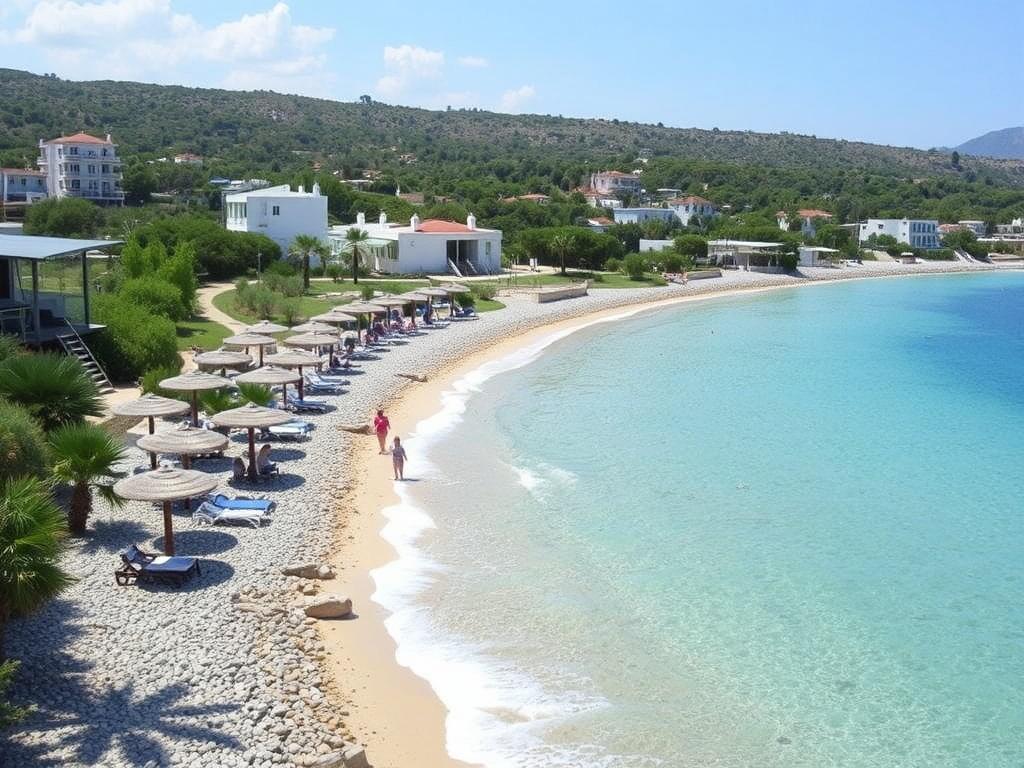
The prospect of retiring in Cyprus attracts many people drawn by warm seas, sun-drenched villages, and a relaxed pace of life. For retirees making long-term plans, however, understanding how weather shapes daily life, health, housing needs, and mobility is essential. This article examines the meteorology, seasonality, regional differences, and practical consequences of Cyprus’s climate so you can make informed choices about when and where to move, what precautions to take, and how to design a comfortable life under Mediterranean skies.
If you are evaluating residency requirements or planning logistics around long-term stays, information about a Cyprus residence permit and related steps will be a necessary part of your transition. The following sections present technical detail framed for non-specialists, emphasizing practical decisions: timing your move, choosing a location, modifying a home for energy efficiency, and managing health and activities under Cyprus weather for retirees.
High-level overview: What the island’s climate means for retirees
Cyprus sits in the eastern Mediterranean at latitude roughly 34° to 35° north, under persistent subtropical influence. The island’s dominant weather regime is Mediterranean: hot, dry summers and mild, wetter winters. For retirees this yields predictable annual rhythms — long, stable sunny periods ideal for outdoor life, punctuated by a compressed cooler season when rainfall concentrates. Understanding these rhythms allows you to plan not just activities but medical appointments, energy use, and social calendars.
Dates and durations matter. The broad pattern is that mild conditions extend well into autumn and spring, while the most intense conditions occur during summer heat and, less frequently, sharp winter cold snaps in higher elevations. The phrase Retirement climate Cyprus captures not only average temperatures and rainfall but also the implications for air quality, allergen cycles, daylight hours, and the need for cooling or heating in domiciles.
Cyprus’s Mediterranean backbone offers long periods of comfortable outdoor living; retirees need to align health, housing, and daily routines to the island’s concentrated seasonal rhythms.
Technically, Cyprus experiences a bimodal precipitation regime and a strong seasonal contrast in solar radiation. Sea temperatures moderate coastal extremes, while inland and mountainous areas display more temperature variability. These distinctions frame everything from the choice of medical supplies to garden species, and from routing daily walks to choosing window treatments for thermal comfort.
Seasonal breakdown: how the year unfolds
To plan effectively, retirees need a clear, month-by-month sense of what seasonal weather Cyprus delivers. This section presents the seasonal character, then breaks it down by quarter and month so you can match moving timelines, health care scheduling, and recreational planning to predictable conditions. Each season has distinct implications for comfort, accessibility, and costs.
Below is a compact monthly table of typical conditions. It summarizes average daytime temperatures, average nights, and rainfall clues — essential inputs for energy budgeting, medical risk assessment (heat or cold exposure), and scheduling outdoor community activities.
| Month | Avg. Max (°C) | Avg. Min (°C) | Typical Rainfall | Notes |
|---|---|---|---|---|
| January | 15 | 6 | High | Cool, wet; mountain snow possible |
| February | 16 | 6 | High | Unstable spells; early spring blossoms |
| March | 18 | 8 | Moderate | Warming trend; good outdoor month |
| April | 22 | 11 | Low | Drying out; ideal for relocation |
| May | 26 | 15 | Very low | Stable, warm |
| June | 30 | 19 | Minimal | Heat onset |
| July | 33 | 22 | Minimal | Hottest month; sea at peak warmth |
| August | 33 | 22 | Minimal | Longest dry spell; strong sun |
| September | 30 | 20 | Low | Warm seas; late summer weather |
| October | 26 | 16 | Moderate | Transition period; occasional storms |
| November | 21 | 12 | High | Rain returns; comfortable days |
| December | 17 | 8 | High | Cool, often wet |
These figures represent coastal averages; inland plains can see night temperatures several degrees lower and summer maxima slightly higher. The Troodos mountain range creates a distinct alpine microclimate — winter snowfall and cool summers. When you assess cyprus climate year round, you must weigh coastal moderation against inland variability for day-to-day life.
Spring: March–May
Spring in Cyprus is typically sunny, progressively warming, and dry after March. The island bursts into color after winter rains, and pollen counts vary with elevation and local vegetation. For retirees, spring is an optimal period to plan moves, get health checks, and begin outdoor routines. Average daytime temperatures climb from the high teens to mid-twenties Celsius, with nights remaining comfortable.
This season offers the best compromise between mildness and dryness. It is also the ideal time for household projects that require favorable weather — exterior painting, roof repairs, and garden planting. Medical professionals advise that long walks or early-morning exercise routines are safe and beneficial during these months, as heat-related risks are minimal.
Summer: June–August
Summer is prolonged and typically hot with negligible rainfall. Coastal sites enjoy cooling sea breezes, but heatwaves from August sometimes push temperatures into the mid to high 30s Celsius. Humidity is generally moderate, but the combination of high solar radiation and nighttime warmth can create sustained heat stress. Air conditioning becomes a routine necessity in many homes, and energy consumption peaks.
Retirees should plan for peak sun exposure: shaded outdoor spaces, UV-protective clothing, and hydration strategies. Buildings with good thermal mass or properly installed insulation will stay more comfortable and reduce electricity costs. Sea temperatures are at their warmest, making swimming, boating, and other water-based activities popular and accessible.
Autumn: September–November
Autumn is a transitional period offering extended warm weather into September with gradually cooling temperatures and an increase in rainfall by November. The sea remains warm, making early autumn excellent for water activities and communal festivals. Late autumn brings the seasonal rains that recharge groundwater and green the landscape for winter.
For retirement planning, autumn is a season for recalibration: heating systems are inspected, coastal storms are anticipated, and travel schedules may be adjusted to avoid sudden weather shifts. Many retirees prefer moving in September or October to benefit from warm, calm conditions while avoiding midsummer extremes.
Winter: December–February
Winters are mild on the coast, with daytime temperatures commonly in the mid-teens Celsius and cooler nights. Rainfall is concentrated in this period and can be heavy during storm events. In Troodos and other mountains, snowfall is regular and contributes to a brief alpine season, which can be a novelty for newcomers. Severe cold is rare but possible at higher elevations, where sub-zero temperatures occur.
Winter impacts on retirees include the need to verify heating systems, monitor rainy-season mobility issues (flooding in localized low-lying areas), and plan for seasonal healthcare needs such as flu vaccinations or respiratory condition management. Drainage and roof maintenance are priorities heading into winter months.
Regional variations and microclimates: choosing the right place
Cyprus’s relatively small size hides important microclimatic diversity. Coastal areas, inland plains, and mountains offer different comfort levels and daily management needs. Choosing a region depends on mobility, health, and lifestyle preferences. Understanding local variations in seasonal weather Cyprus allows retirees to select a location that minimizes health risks and maximizes quality of life.
Below are the main macro-regions and the characteristics retirees should weigh carefully. These are not exhaustive but provide a practical map of choices.
- Southern and eastern coast (Limassol, Larnaca): Strong Mediterranean moderation, long sunshine hours, easy access to services and airports.
- Northwestern coast (Paphos): Slightly milder winters and a reputation for expat communities and accessible healthcare hubs.
- Inland plains (Nicosia): Greater day-to-night temperature range; hotter summers and cooler winters; ideal for those who prefer continental style seasons.
- Troodos and higher elevations: Cooler summers, winter snow, and a quieter, nature-focused lifestyle with potential access issues in winter storms.
- Eastern rural and semi-arid areas: Drier environment, more wind exposure, and minimal summer humidity — beneficial for some respiratory conditions but harsher in heat extremes.
Microclimate choices determine energy needs, mobility, and the type of outdoor life you can sustain; retirees should match local weather patterns to personal health and activity preferences.
In practical terms, coastal living minimizes temperature extremes and eases mobility year-round, but may come with higher exposure to humidity and sea-salt corrosion on property. Mountain living reduces summer overheating but increases winter heating demands and occasionally complicates access to specialized medical services. When evaluating seasonal weather Cyprus presents, weigh trade-offs between immediate comfort and long-term accessibility.
Health and comfort: how climate affects retired bodies
Physiological responses to temperature, humidity, sun exposure, and air quality change with age. Retirees need to align daily habits and housing with the particular demands of Cyprus’s climate. This section focuses on actionable measures to protect cardiovascular, respiratory, dermatological, and musculoskeletal health under Mediterranean climate retirement Cyprus conditions.
Heat stress, dehydration, intensified UV exposure, and shifting allergen cycles are the principal concerns. Each requires a different mitigation strategy: hydration and medication review for heat sensitivity; sun protection and skin checks for UV exposure; indoor air quality management for allergens and fine dust.
Retirement in Cyprus requires proactive management of heat, sun, and seasonal allergens; medical planning should be integrated with housing and lifestyle choices.
Practical health recommendations:
- Hydration plans: Maintain scheduled fluid intake during summer; consider electrolyte supplements only after consulting a physician.
- Medication review: Some cardiovascular and diuretic medications increase heat vulnerability — consult providers before relocation.
- Sun protection: High-SPF sunscreen, broad-brimmed hats, and UV-filtering window films reduce cumulative skin damage risk.
- Indoor air quality: Use HEPA filtration for those with allergies; keep humidity within 40–60% to reduce mold and dust mite proliferation during wet months.
- Seasonal vaccinations: Flu shots and other regionally recommended immunizations are important before winter.
Beyond immediate physiological risks, consider mental-health factors: long, sunny periods are associated with positive mood in many people, but prolonged heat and high temperatures can increase irritability and disrupt sleep architecture. Ensuring daytime cooling and cooler night environments preserves sleep quality and cognitive function.
Housing, energy, and property considerations
Housing choices must reflect the island’s thermal profile. Whether purchasing or renting, you should scrutinize building orientation, insulation, glazing, ventilation, and mechanical systems. Retirees frequently underestimate the long-term operating costs of cooling during summer and heating in elevated inland areas. This section translates meteorology into concrete house-holding choices and retrofit priorities.
Key house features relate directly to cyclical demands of Cyprus climate year round: roof insulation to limit summer heat gains, double-glazed windows where night cooling is insufficient, shading devices to reduce direct solar radiation, and efficient HVAC systems sized for sustained operation. Passive cooling techniques can greatly reduce electricity bills and increase comfort.
| Feature | Why It Matters | Recommended for |
|---|---|---|
| External shading (awnings, pergolas) | Blocks direct sun, reduces indoor cooling load | Coastal and inland homes |
| Roof insulation | Reduces heat transfer in summer and heat loss in winter | All regions, critical for flat roofs |
| High-efficiency split AC | Provides reliable cooling with lower energy use | Essential in hot coastal and inland sites |
| UV-filter glazing | Protects furnishings and reduces solar gain | Sun-facing rooms |
Modification and maintenance checklist for retirees:
- Inspect roof and gutters before autumn rains to prevent leaks and water ingress.
- Verify the capacity and service history of air conditioning units ahead of summer.
- Install programmable thermostats and consider solar photovoltaic panels to offset summer energy loads.
- Seal drafty doors and windows to maintain cooler indoor air in summer and reduce heating demand in cooler months.
- Arrange for local maintenance contracts to ensure fast response during extreme weather events.
For those buying property, an energy audit — including thermal imaging to identify heat leaks — is a sensible investment. It combines meteorological insight with building science and yields both comfort and financial savings over the medium term.
Lifestyle planning: daily life through the seasons
The island’s climate shapes routines: outdoor exercise timing, social hours, garden work, and seasonal hobbies. This section outlines how retirees can design a daily and seasonal life that prioritizes health and sociability while taking full advantage of Cyprus weather for retirees.
Daily scheduling strategies are straightforward: early-morning or late-afternoon outdoor activities during high-sun months; mid-day rest periods; and taking advantage of cooler shoulder seasons for extended travel. Community life on the island often migrates outdoors in spring and autumn and indoors during peak heat or winter rains.
Designing a daily rhythm around local solar and thermal cycles enhances comfort, reduces risk, and deepens engagement with the island’s lifestyle.
Seasonal activities and adjustments:
- Spring: Gardening, walking groups, cultural festivals, and house maintenance projects take precedence.
- Summer: Water-based recreation, shaded community events, and indoor social clubs occur during peak heat.
- Autumn: Harvest festivals, dining al fresco, and tours of inland sites are popular.
- Winter: Indoor classes, local clubs, and short travel escapes to warmer nearby areas keep social calendars active.
Practicalities such as grocery shopping, medical appointments, and transport should be concentrated in seasons and times of day with predictable weather. For example, arranging periodic medical visits during spring or autumn will lower the chance of heat-related travel difficulties and take advantage of better overall mobility in the community.
Planning a move: timing, residency, and practical logistics
Moving to Cyprus requires synchronizing personal, legal, and seasonal calendars. The island’s climate should inform timing decisions: spring and autumn reduce the stress of moving, lower moving costs, and avoid extremes that can complicate travel. The phrase Retirement climate Cyprus is useful here as a planning lens rather than a mere meteorological description.
From legal and administrative perspectives, confirm residency eligibility early in your planning. The link to Cyprus residence permit information above can guide you through application basics, documentation, and timeframes. Once the legal side is set, schedule housing viewings, medical transfers, and utility setups with seasonal buffers: avoid arriving during the hottest weeks of summer or when winter storms might affect access to mountain homes.
Logistical checklist for relocation:
- Schedule medical record transfers and ensure prescriptions are convertible to local equivalents.
- Time moving days for spring or autumn; if summer is unavoidable, secure climate-controlled moving services.
- Set up local bank accounts and insurance policies before critical dates to ensure continuity of care and services.
- Plan for initial accommodation that offers immediate cooling and sun protection for the first weeks.
Financial planning should also incorporate seasonal cost variability. Cooling costs will spike in summer, and travel insurance patterns may change with winter storm seasons. An annual cash-flow model that considers seasonal weather impacts helps avoid surprises and aligns healthcare access with personal preferences.
No environment is risk-free. Cyprus faces specific weather-related hazards: heatwaves, occasional intense storms and flooding in low-lying areas, wildfire risk during dry spells, and winter mountain snowfall that can isolate higher-altitude locations. Retirees must organize emergency plans tailored to local conditions and personal mobility constraints.
Risk management is a combination of infrastructure readiness and behavioral planning. Knowing evacuation routes, securing alternate communications, and maintaining a modest emergency kit are universal recommendations. Additionally, mapping local shelter options and health facilities completes a practical readiness plan.
Practical emergency planning transforms meteorological risk into manageable operational tasks; preparation reduces anxiety and increases resilience.
Specific measures to mitigate common risks:
- Heatwaves: Maintain a list of community cooling centers and ensure your residence has backup power options for fans or AC.
- Storm flooding: Elevate critical utilities and ensure good drainage around properties in known flood-prone areas.
- Wildfires: Create defensible space around homes in wildland-urban interface zones and have a rapid-exit plan.
- Snow/isolation in mountains: Stockpile critical supplies ahead of winter and confirm satellite or emergency communication devices if mobility is restricted.
Insurance is another key line of defense. Verify that homeowner and health insurance policies cover weather-related damage and that deductibles and response times are acceptable for your location and risk tolerance. For many retirees, a modest investment in emergency planning yields outsized peace of mind.
Maintaining mobility and transport in different seasons
Transport logistics vary seasonally: summer roads can be busy with tourists, and winter roads in mountain areas may require AWD vehicles or chains. Choosing a base with reliable public transport or close proximity to medical and commercial centers reduces reliance on driving during bad weather.
For those with limited mobility, coastal towns with flat terrain and accessible medical facilities are preferable. Where mountains appeal for their cooler summers, arrange for local assistance providers or community contacts to help during winter months when conditions might limit travel.
Vehicle and transport checklist:
- Keep vehicle air conditioning serviced for summer use and ensure tires are suited to regional conditions.
- For mountain dwellers, maintain winter kits with blankets, water, and a small shovel.
- Familiarize yourself with local transport schedules and how they change seasonally, particularly in smaller villages where services may be reduced off-season.
Remember that Cyprus’s seasonal tourism can affect transport availability and prices; booking medical appointments and travel during off-peak shoulder seasons will often be more convenient and less costly.
Gardens, food, and micro-economies shaped by climate
Cyprus’s weather profiles influence what grows easily, how food markets operate seasonally, and where local economies concentrate. For retirees interested in gardening, local produce, or small-scale food enterprises, aligning plant choices and activity timing with the seasonal weather Cyprus offers is crucial.
Coastal gardens can support Mediterranean plants: citrus, olives, figs, and drought-tolerant ornamentals. Irrigation needs peak in summer, so water-wise practices — drip irrigation, mulching, and choosing native or adapted cultivars — are essential. Mountain gardens allow for more temperate crops and a longer cool-season growing window but demand frost management in winter.
Climate-informed gardening maximizes yield, reduces maintenance, and strengthens community ties through shared produce and seasonal markets.
Simple gardening guide for retirees:
- Plan plantings for autumn and spring to avoid transplant stress from summer heat.
- Prioritize low-maintenance Mediterranean varieties to reduce physical strain and watering needs.
- Use shaded seating and raised beds to reduce bending and sun exposure during summer gardening tasks.
Local markets reflect seasonal abundance: citrus and winter greens in cooler months, tomatoes and peppers in summer, and preserved specialties throughout the year. Engaging with local producers is both practical and culturally enriching.
Practical daily tips for year-round comfort
Managing day-to-day life across the seasons calls for simple, repeatable habits. These reduce risks, increase energy efficiency, and improve social enjoyment. This section consolidates practical tips retirees can adopt immediately to live comfortably through cyprus climate year round.
Prioritize routines that minimize exposure to extremes, preserve home energy, and maintain social and medical connectivity. Small changes often have outsized results given the island’s pronounced seasonal cycles.
Consistent daily habits tailored to the local climate deliver long-term comfort and reduce the need for reactive measures.
Actionable daily tips:
- Adopt a two-shift outdoor schedule: mornings and late afternoons for outdoor errands in summer.
- Use cross-ventilation at night when temperatures fall, and seal during the day to trap cool air.
- Rotate wardrobe by season and keep sun-protective items accessible year-round.
- Monitor local weather forecasts and heat-health alerts via reliable sources to anticipate extreme events.
When combined with the housing and health measures outlined above, these routines make the Mediterranean climate retirement Cyprus promises both comfortable and sustainable.
Making the Mediterranean sun work for your retirement
Choosing to retire in Cyprus is a decision to weave daily life with a Mediterranean climate: abundant sun, distinct seasons, and local patterns that reward planning. By understanding seasonal weather Cyprus displays, selecting an appropriate region, and making targeted investments in health, housing, and daily habits, retirees can realize the lifestyle benefits while minimizing discomfort and risk.
Start with the big decisions — region and timing — and translate them into operational plans: a moving timeline that avoids peak heat or winter storms, an energy retrofit that pays back in comfort and savings, and a healthcare strategy aligned with seasonal risks. Taking a systematic, climate-literate approach lets you convert meteorological information into actionable, confidence-building steps for a secure retirement in Cyprus.
Weather will always be one variable among many, but an informed approach turns it into a predictable advantage rather than an uncertain hazard. The island’s climate invites an active, outdoor-centered retirement for those who align bodies, homes, and routines with its rhythms.
Questions retirees ask most — clear, practical answers
Below are the questions people actually ask when assessing whether Cyprus is right for retirement. Each answer is concise and actionable so you can take the next step in planning.
- Is Cyprus a good place for retirees who dislike extreme heat?
Yes. Coastal areas like Limassol and Paphos offer moderated temperatures and sea breezes that reduce perceived heat. Opting for housing with good shading, ventilation, and air conditioning further mitigates summer extremes. - When is the best time of year to relocate to Cyprus?
Spring (April–May) and autumn (September–October) are optimal: mild weather, lower moving costs, and minimal extremes. These windows also make it easier to settle before either summer heat or winter rains intensify. - How does living in the mountains compare with coastal living for retirees?
Mountains provide cooler summers and quieter surroundings but involve more winter heating and occasional access issues due to snow. Coastal living gives year-round accessibility and milder winters but can be hotter and more humid in summer. - Can health conditions like arthritis or respiratory issues be managed in Cyprus?
Generally yes, with planning. Dry, warm months can ease joint pain, but spring pollen and winter dampness may aggravate respiratory conditions. Consult local healthcare providers, plan for indoor air filtration, and check seasonal access to medical services. - How do energy costs vary by season and how can retirees reduce bills?
Energy use peaks in summer (cooling) and, to a lesser extent, winter (heating in higher elevations). Improve insulation, install efficient air conditioning, use shading, and consider solar panels to lower costs. - Are extreme weather events common and how should I prepare?
Extreme events are limited but include heatwaves, occasional heavy storms, and wildfires in dry periods. Prepare with a basic emergency kit, mapped evacuation routes, and local contacts; ensure insurance covers weather-related damage. - Does Cyprus’s seasonal weather impact access to healthcare and services?
Services are generally reliable, especially in urban centers. In rural and mountain areas, winter conditions or peak tourist seasons can affect availability; choose locations close to essential services if year-round access is a priority.