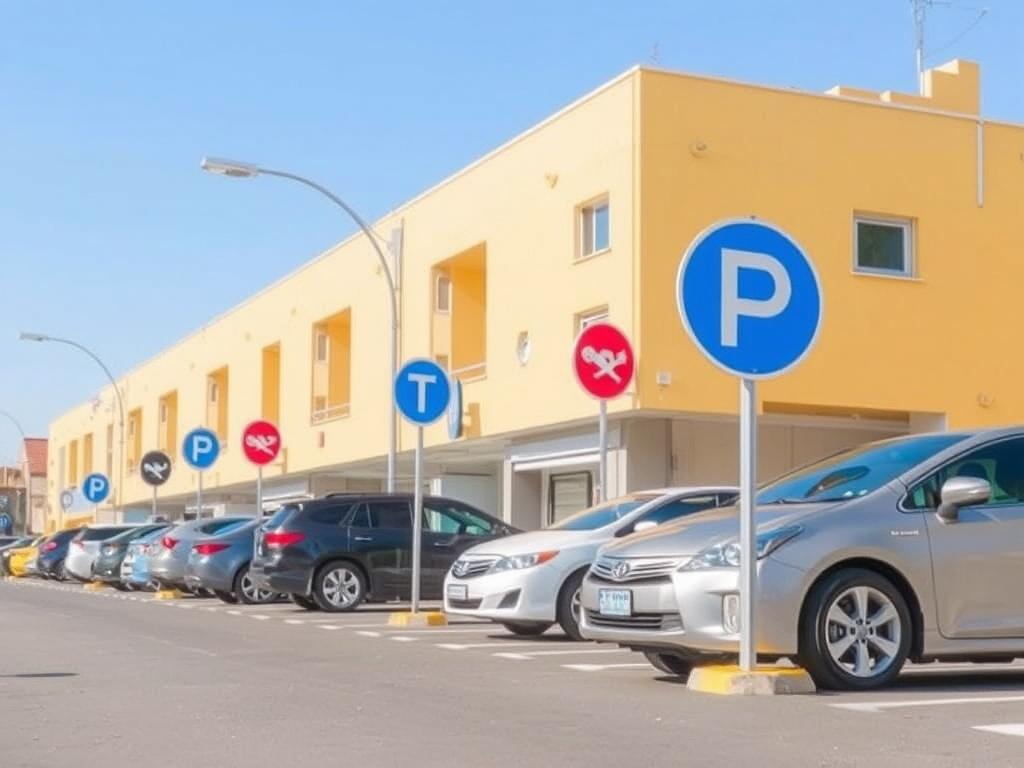
Parking in Cyprus cities presents a unique blend of local customs, modern regulations, and evolving infrastructure aimed at managing increasingly busy urban centers. Understanding parking regulations Cyprus-wide is essential for residents, visitors, and business owners alike to avoid fines, reduce traffic congestion, and contribute to orderly city planning. This article comprehensively explores city parking Cyprus policies, offers practical insights into parking zones Cyprus communities implement, and explains how parking fees Cyprus authorities charge are structured and enforced.
Overview of Parking Regulations Cyprus Cities Enforce
Parking regulations Cyprus authorities enforce are developed based on urban density, traffic management needs, and the desire to optimize public space usage. These regulations vary notably between major cities such as Nicosia, Limassol, Larnaca, and Paphos, reflecting differences in population, tourist influx, and urban layout.
One of the critical pillars of parking rules Cyprus municipalities follow is a zoning system designed to balance the convenience of access with the necessity to discourage long-term parking in high-demand areas. This zoning strategy helps local governments prioritize parking for residents, visitors, commercial vehicles, and short-term usage, thereby fostering smoother transit flow and minimizing illegal parking incidents.
Along with zoning, parking regulations Cyprus cities impose include restrictions on parking duration, clear signage requirements, specific vehicle types permitted in certain zones, and integration with public transport hubs. These combined measures ensure that parking management contributes to a wider traffic control and urban planning framework.
Effective city parking in Cyprus relies heavily on well-defined zones and clear regulations tailored to local traffic conditions.
Detailed Breakdown of Parking Zones Cyprus Implements
Cyprus cities categorize parking zones into multiple types, typically divided into residential, commercial, paid, restricted, and disabled parking zones. Each city adapts this basic scheme to its unique environment and traffic volume.
Residential zones often restrict parking to permit-holders only, aiming to reserve spaces for residents and prevent commuters or visitors from occupying long-term parking spots. Commercial zones, meanwhile, usually allow short-term parking to facilitate access to shops, offices, and service providers, with time limits strictly enforced.
Paid parking zones in city centers are commonplace in Limassol and Nicosia, requiring motorists to pay parking fees Cyprus municipalities set based on location, demand, and duration. These fees fluctuate between sections, with the highest rates generally in tourist-heavy areas where parking demand is strongest.
Restricted zones include areas near hospitals, government buildings, and schools where parking is prohibited or severely curtailed to ensure safety and accessibility. In addition, disabled parking bays are mandated by law, designed specifically to accommodate drivers and passengers with mobility challenges, typically located near entrances of public spaces.
| Zone Type | Main Characteristics | Examples |
|---|---|---|
| Residential | Permit-based parking, restricted to residents | Nicosia suburbs, parts of Limassol |
| Commercial | Short-term parking, time limits enforced | City centers in Larnaca, Paphos |
| Paid Parking | Fee required, tiered pricing based on location | Downtown Limassol, popular tourist zones |
| Restricted | No parking or limited hours, safety-sensitive | Hospitals, government offices |
| Disabled | Reserved bays for disabled persons | Shopping malls, public institutions |
Parking zones Cyprus cities designate are crucial tools for regulating demand and ensuring fair access.
Parking Fees Cyprus Cities Charge: Structure and Enforcement
The structure of parking fees Cyprus charged in urban centers is developed to reflect three primary objectives: reduce traffic congestion, generate municipal revenue, and promote the use of public transport or alternative mobility solutions.
In cities like Limassol and Nicosia, paid parking zones operate with meters and electronic payment systems, enabling drivers to pay for parking by the hour or for specific intervals. Parking fees Cyprus citizens and visitors encounter generally range from €0.50 to €2.50 per hour, depending on demand intensity and day or night hours. Peak hours typically incur the highest rates.
Some cities have implemented daily maximum fees to prevent cost-prohibitive situations for longer parking durations, while others encourage turnover by limiting how long a vehicle can remain in a paid spot. Enforcement mechanisms include parking wardens, surveillance cameras, and occasional random checks that result in fines for violations such as overstaying or parking without proper payment.
Fines in Cyprus for parking infractions vary but often start around €40 and can escalate for repeated or severe violations. Municipalities invest in modernizing payment options to reduce illegal parking and improve user convenience, incorporating online apps and contactless payment solutions.
Transparent and varied parking fees Cyprus authorities employ are essential for managing urban parking sustainably.
Common Parking Rules Cyprus Drivers Must Know
Beyond zones and fees, parking rules Cyprus drivers must adhere to vary slightly from one city to another but share common core principles. Key rules emphasize safety, orderliness, and minimizing obstruction.
For instance, parking on sidewalks, double parking, or obstructing fire lanes and crosswalks are universally prohibited. Specific hours when parking is disallowed are often posted, especially during street cleaning or waste collection days. It is also crucial to park within marked lines and avoid blocking private driveways or entrances.
In cities with on-street parking, drivers must display their ticket clearly or use the designated electronic systems. Some locations strictly enforce the use of parking permits for residential zones, requiring non-residents to avoid these areas or risk penalties.
Motorcyclists and scooter riders also face distinct regulations regarding where and how they can park, often exempting certain zones from fees or restrictions. However, careless parking by two-wheelers in crowded city centers can attract fines.
Navigating city parking Cyprus requires attention to posted signs, awareness of temporary restrictions during events, and understanding the local enforcement patterns.
Special Considerations for Tourists and Visitors
Tourists should pay particular attention to parking rules Cyprus cities implement near hotels, airports, and tourist attractions. These areas frequently have heightened restrictions due to their high traffic volume during peak seasons.
Tourists are advised to plan ahead by checking city websites or mobile apps that provide real-time updates on parking availability, fees, and restrictions. Using public transport options or park-and-ride schemes, common in larger cities like Nicosia, often provides a practical alternative to city-center parking.
Vehicle rental companies typically inform clients of key parking rules Cyprus rankings that impact tourists, including fines and towing risks for improper parking.
Adhering to local parking rules ensures a hassle-free experience, especially for visitors unfamiliar with Cyprus cities.
Technological Innovations Impacting City Parking Cyprus-Wide
The modern era brings a shift in how city parking Cyprus municipalities manage their resources. Technology adoption has improved efficiency, compliance, and user convenience.
Smart parking meters that accept multiple payment methods, from coins to app-based digital wallets, are widespread. Some cities have introduced sensors that detect parking bay occupancy and inform drivers of available spots in real-time, reducing the time spent by drivers circling to find places.
Municipalities also utilize data analytics to monitor parking trends, adjust fees dynamically based on demand, and plan urban transportation infrastructure improvements.
Another innovation is the integration of electric vehicle (EV) charging stations into parking zones, encouraging sustainable transport options in cities such as Limassol and Larnaca. These spots are sometimes free or apply reduced parking fees to support EV adoption.
The rise of parking mobile applications greatly simplifies payment, permit acquisition, and location finding. Many apps also notify users before their parking time expires, helping avoid fines.
Data-Driven Parking Management
Leveraging traffic and parking data informs decisions like which zones need fee adjustments or expanded restrictions. With more precise regulation, cities balance parking availability with environmental and quality-of-life goals.
Innovations in technology are reshaping how parking rules Cyprus authorities implement, offering smarter, fairer systems.
Enforcement Challenges and Future Directions in Cyprus City Parking
Despite robust regulations and advanced systems, some enforcement challenges persist in Cyprus city parking management. Illegal parking, improper use of disabled parking spaces, and permit misuse remain prevalent concerns.
Limited enforcement resources sometimes hinder effective patrolling, especially in smaller municipalities. Moreover, the rise in vehicle ownership puts pressure on limited urban parking supply, necessitating more creative and sustainable approaches.
Future trends point towards expanded use of automated enforcement through camera systems, improved integration of public transit to reduce dependency on private cars, and amplified public awareness campaigns.
Urban planners are increasingly considering multi-level parking solutions and demand-responsive pricing structures to ease the burden while maintaining accessibility for residents and businesses.
Balancing Convenience and Regulation
The challenge lies in ensuring parking remains accessible and affordable while curbing congestion and illegal parking. Policymakers continue to analyze data and community needs to refine parking zones Cyprus-wide reliably.
Ongoing enforcement innovation and strategic planning are crucial to managing the increasing parking challenges in Cyprus cities.
Navigating parking regulations Cyprus cities enforce can initially seem complex given the variety of zones, fees, and rules. However, understanding the underlying goals—managing demand, fairness, and urban order—clarifies most decisions.
Monitoring signage, using available technological resources, respecting restricted and permit zones, and paying parking fees Cyprus authorities stipulate will save drivers from fines and inconvenience.
Each city in Cyprus integrates parking rules with its broader transport strategy, emphasizing balance between private vehicle convenience and sustainable urban development. Being informed about local specifics, especially for visitors, is essential for smooth mobility.
Effective parking management not only impacts individual drivers but the overall traffic flow, environmental health, and quality of urban life.
A well-informed approach to city parking Cyprus-wide transforms a potential hassle into a manageable part of daily travel and tourism.
Frequently Asked Questions About Parking Regulations and Fees in Cyprus Cities
- What are the typical parking fees in major Cyprus cities?
Parking fees usually range from €0.50 to €2.50 per hour depending on the location and demand, with peak hours costing more. - How can residents obtain parking permits in Cyprus cities?
Residents apply through local municipality offices or online portals by providing proof of residence and vehicle ownership. - Are there parking restrictions for tourists in Cyprus?
Yes, tourists must abide by the same parking zones and fees and are advised to use public transport or park-and-ride facilities when available. - What happens if I park illegally in Cyprus cities?
Illegal parking can result in fines starting from €40, towing of the vehicle, or both depending on the severity of the violation. - Are there special parking provisions for disabled drivers?
Yes, disabled parking bays are reserved and free or discounted in many zones, and misuse of these bays is strictly fined. - How are parking rules enforced in Cyprus cities?
Enforcement mechanisms include parking wardens, surveillance cameras, and electronic monitoring, with random or routine patrols. - Can I pay for parking in Cyprus cities using a mobile app?
Most major cities provide mobile payment options through official apps or third-party services for convenience and real-time management.