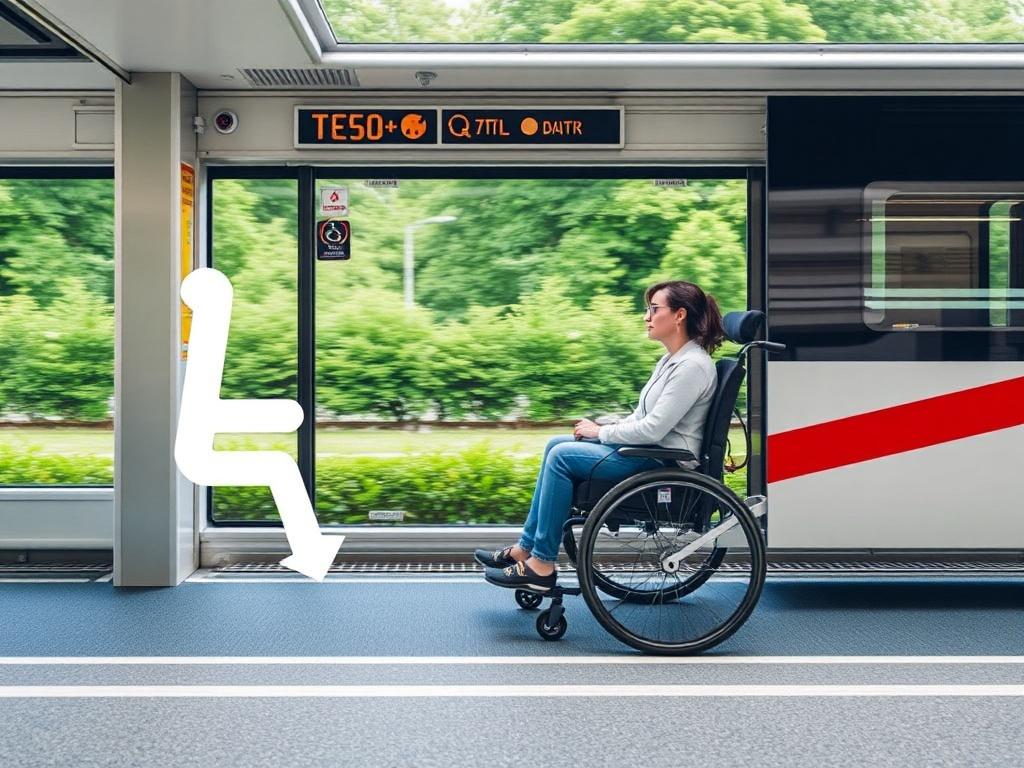
Traveling can be a challenging experience for many, but for disabled travelers, it often involves additional complexities and barriers that require specialized solutions. Understanding the range of accessible transport options is paramount for fostering independence, comfort, and safety. In regions like Cyprus, where tourism is a significant sector, ensuring that disabled transport options are available and efficiently operated caters not only to residents but also to visitors with special needs. This article delves into the various dimensions of accessible transport in Cyprus, with a particular focus on wheelchair accessibility, special needs transport, and mobility-focused services.
Comprehensive transport solutions tailored for disabled travelers encompass different modes and services, ranging from public bus systems adapted for wheelchair users to specialized private hire vehicles equipped for mobility aids. These systems must respect international standards, local regulations, and, most importantly, prioritize the dignity and autonomy of every traveler. We explore these issues and opportunities step-by-step to provide an informed and technical perspective on accessible transport Cyprus has to offer.
The Importance of Accessible Transport for Disabled Travelers
Accessibility in transportation is fundamental to ensuring equal opportunities for people with disabilities. Beyond convenience, it embodies the right to mobility without discrimination. Well-designed accessible transport services allow individuals with mobility impairments, sensory challenges, or cognitive disabilities to navigate public and private spaces with minimal dependence on others.
In Cyprus, improving disabled transport infrastructure is part of broader efforts to comply with the UN Convention on the Rights of Persons with Disabilities. This has manifested in initiatives to upgrade public transport vehicles, adapt facilities at key transit hubs, and develop user-friendly booking systems for special needs transport Cyprus-wide.
A lack of accessible transport options directly impacts employment prospects, social inclusion, healthcare access, and overall quality of life for disabled individuals. The transport sector’s ability to offer equitable services is a critical metric of a society’s commitment to inclusivity.
Accessible transport is not just a convenience but a vital right that enables meaningful participation in society for disabled individuals.
Wheelchair Accessible Transport: Features and Availability in Cyprus
Wheelchair accessible transport refers to vehicles and services specifically modified to accommodate travelers who use wheelchairs or other mobility devices. The technical standards for such transport include sufficient cabin space, hydraulic or manual lifts, securement systems, and appropriate door widths to facilitate safe and dignified boarding and disembarking.
In Cyprus, the expansion of wheelchair accessible transport has gained traction in recent years. Several public bus routes have been equipped with low-floor buses, ramps, and auditory alerts for major stops. However, the service coverage and frequency particularly outside major cities like Nicosia, Limassol, and Larnaca still tend to lag.
Private companies specialize in wheelchair accessible transport, providing tailored vehicles such as wheelchair vans, minibuses, and taxis that comply with disability access codes. These operators often allow pre-booking for flexible scheduling and ensure trained staff assist travelers as needed.
Technical features typically found in wheelchair accessible vehicles include:
| Feature | Description |
|---|---|
| Wheelchair Ramps/Lifts | Devices to raise or lower the wheelchair from ground to vehicle level, mechanically or manually operated. |
| Securement Straps and Locks | Systems to safely anchor the wheelchair during transit to prevent movement or tipping. |
| Low-Floor Design | Bus designs that reduce step height, allowing easier wheelchair entry without complicated lifts. |
| Wide Doors and Aisles | Accommodation for wheelchair passage and maneuvering within the vehicle. |
Wheelchair accessible vehicles form the backbone of inclusive transport services enabling travel independence for many with mobility challenges.
Special Needs Transport Cyprus: Tailoring Services for Diverse Disabilities
The term “special needs transport” in Cyprus encompasses an array of services that address the varied requirements beyond just wheelchairs. This includes assistance for travelers with visual impairments, hearing difficulties, cognitive challenges, and those requiring medical support during transit.
Special needs transport providers incorporate trained personnel, suitable assistive technologies, and flexible itineraries. For example, services may include escort assistance, tactile and audio communication options, or vehicles equipped for carrying medical oxygen and stretchers.
One of the main challenges in deploying special needs transport across Cyprus lies in synchronizing multiple types of accommodations within a single service to maintain efficiency and affordability. Additionally, transport operators cooperate closely with healthcare providers and disability advocacy groups to ensure adequate support is offered.
Emerging technology such as mobile apps with accessibility features, ride-booking solutions with customizable options for disabilities, and real-time communication aids are helping bridge gaps in service delivery.
Special needs transport focuses on personalized solutions that respect the unique requirements of travelers beyond physical mobility constraints.
Public Transport Accessibility Initiatives in Cyprus
Public transport in Cyprus has undergone systematic reforms aimed at enhancing accessibility for disabled passengers. Buses, tram services, and ferry operators have been investing in accessible infrastructure and training programs for drivers and staff.
Public transport upgrades include:
- Deployment of low-floor buses equipped with ramps for wheelchair users.
- Installation of tactile paving at bus stops and stations to assist visually impaired travelers.
- Auditory stop announcements for passengers with vision impairments.
- Digital display boards with clear fonts and colors to improve readability.
- Staff training on disability awareness and passenger assistance protocols.
However, gaps remain, notably in rural regions where buses are less frequent and often lack accessibility modifications. The investment gap is also significant in older vehicles and infrastructure needing retrofitting.
Accessibility Transport Options for Disabled Travelers in public transit are increasingly supported by government subsidies designed to reduce cost barriers for disabled users.
While public transport in Cyprus is evolving, comprehensive accessibility requires continuous investment and commitment.
Mobility Transport Cyprus: Independent and Assisted Travel Solutions
Mobility transport covers both self-driven and assisted travel options tailored for people with mobility impairments. This includes adapted private vehicles, paratransit services, and innovative ride-sharing initiatives that support disabled travelers with mobility aids.
One key mode of mobility transport Cyprus offers is the paratransit system, which consists of door-to-door service vehicles equipped to handle wheelchairs and other mobility aids. These services can be booked in advance and often include escorts to aid boarding, luggage handling, and navigation.
Additionally, mobility scooters and electric wheelchairs are increasingly accommodated by transport providers through designated storage and charging spots on vehicles and stations.
Technological integration is a growing factor in enhancing mobility transport options. GPS tracking, automated booking systems, and vehicle telemetry allow for efficient dispatch and increased reliability.
Mobility transport Cyprus providers cooperate closely with municipal authorities to create transport networks that prioritize accessibility and integrate various forms of accessible transport into one cohesive system.
Mobility transport services empower disabled travelers by combining technology and human assistance for enhanced travel independence.
Challenges and Future Directions for Accessible Transport Cyprus
Despite strides in accessible transport provision, Cyprus faces a number of challenges that hinder optimal service delivery for disabled travelers. These include infrastructure limitations, funding constraints, inconsistent service quality, and cultural awareness gaps among transport personnel.
Many rural and less populated areas lack sufficient demand-driven accessible transport, resulting in service deserts where disabled individuals have limited or no mobility options. Moreover, some existing accessible vehicles suffer from maintenance issues or inadequate driver training.
The future direction for accessible transport Cyprus involves a multipronged approach:
- Increasing the stock and operation of wheelchair accessible transport and special needs vehicles.
- Expanding network accessibility, particularly in under-served rural zones.
- Driving public-private partnerships to leverage innovation and funding.
- Implementing rigorous training programs focusing on disability awareness and service excellence.
- Utilizing digital platforms to streamline booking, communication, and feedback mechanisms.
National and local governments are also aligning transport planning with urban design principles that prioritize barrier-free environments, including transit stops and related facilities. These efforts reflect a growing recognition that accessibility in transport is a foundational element of universal design and social equity.
Addressing current challenges requires a systemic and collaborative approach that puts disabled travelers’ needs at the heart of transport innovation.
How to Access Disabled and Wheelchair Accessible Transport in Cyprus
Accessing disabled transport Cyprus-wide involves understanding the options, booking procedures, and eligibility criteria. Many services require prior registration or medical documentation confirming a person’s need for specialized transport.
Key avenues for accessing such transport typically include:
- Municipal and Government Services: Local councils often administer paratransit booking offices or coordinate wheelchair accessible transport fleets.
- Private Operators: Multiple companies provide on-demand wheelchair accessible taxis and minibuses, available by phone or through digital platforms.
- Public Transport Agencies: A number of buses support on-the-spot boarding with ramps, but it is advised to confirm schedules and accessibility in advance.
- Tour Operators: For visitors, specialized travel agencies offer accessible transport packages encompassing wheelchair-friendly vehicles and dedicated drivers.
Travelers are encouraged to plan ahead, communicate special needs clearly, and check the credentials of transport providers to ensure safety and compliance.
Effective planning and awareness of available services are critical to securing reliable disabled transport Cyprus offers.
Accessibility Transport Options for Disabled Travelers: Unlocking Mobility Freedom
Ensuring accessible transport options for disabled travelers transcends mere compliance—it is a societal commitment to inclusion, dignity, and equal participation. Cyprus, with its growing focus on accessible infrastructure and disability-sensitive services, exemplifies the pathways through which transport can become more welcoming and functional for people with diverse needs.
Wheelchair accessible transport, special needs services, and improved mobility options represent the pillars on which disabled travel freedom rests. While advances have been made, ongoing investments and awareness are essential to bridge existing gaps, especially in public transport and rural service coverage.
Ultimately, accessible transport empowers disabled individuals to access employment, education, healthcare, and social connections independently—core components of a just and equitable society. As Cyprus continues to develop these services, the evolving landscape promises a future where mobility barriers diminish, giving every traveler the freedom to move confidently and safely.
Accessible transport is the gateway to independence and inclusion; improving these options in Cyprus is a vital investment in equal opportunity.
Frequently Asked Questions
- What types of wheelchair accessible transport are available in Cyprus?
Wheelchair accessible options include low-floor buses with ramps, specialized wheelchair vans, minibuses, and accessible taxis operated both by public services and private companies. - How can I book special needs transport in Cyprus?
Booking may be made by contacting local municipal services, private operators, or through travel agencies offering accessible transport. Advance booking is often required for tailored assistance. - Are public buses in Cyprus fully accessible to disabled passengers?
Many public buses in main cities are equipped with accessibility features, but full coverage is limited outside urban areas. Passengers should confirm before travel. - Can mobility scooters be transported on Cyprus public transport?
Some services accommodate mobility scooters with designated spaces, but policies vary and prior arrangement is recommended. - Is there financial support for disabled travelers to use accessible transport in Cyprus?
Yes, governmental subsidies exist to reduce transport costs for disabled individuals through schemes managed by local authorities. - What training do transport operators receive regarding disabled travelers?
Operators receive training on disability awareness, vehicle accessibility features, safety protocols, and customer assistance to enhance service quality. - What future improvements are planned for accessible transport in Cyprus?
Plans include increasing accessible vehicle fleets, improving rural coverage, integrating digital booking platforms, and enhancing staff training to ensure cohesive and efficient services.