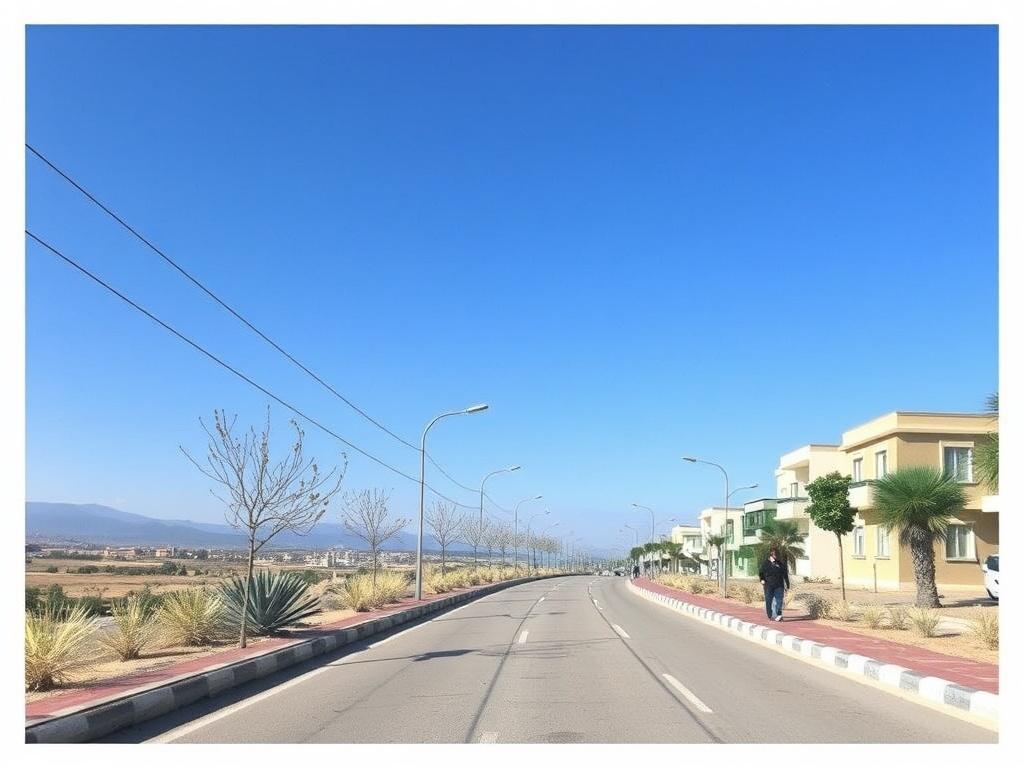
Cyprus, while known primarily for its sunny beaches and rich historical terrain, is increasingly turning its attention to the development of more inclusive and sustainable urban environments. Central to this transformation is the enhancement of walking infrastructure Cyprus-wide, aimed at encouraging more people to choose walking over motorized travel. This shift is driven by concerns over urban congestion, pollution, and public health, along with a growing awareness of the economic and social benefits that walkability brings to cities and towns.
The island’s approach to pedestrian infrastructure highlights both the challenges and opportunities inherent in a place where urban development must harmonize with natural landscapes and archaeological preservation. The following sections will explore the current state and evolution of pedestrian paths Cyprus offers, the status of walkability Cyprus cities achieve, and the crucial aspects of pedestrian safety Cyprus authorities focus on.
The Current Landscape of Walking Infrastructure Cyprus Provides
Walking infrastructure in Cyprus is defined by a combination of sidewalks, pedestrian crossings, footpaths, and integrated green spaces designed to support various forms of pedestrian mobility. Historically, many Cypriot towns grew organically, resulting in narrow streets and urban layouts that naturally encourage walking. However, modern developments and increased car ownership challenged these patterns, necessitating conscious efforts to preserve and expand pedestrian-friendly environments.
In major Cyprus cities like Nicosia, Limassol, and Larnaca, local governments have prioritized upgrading sidewalks and creating dedicated pedestrian zones in city centers to reconnect people with their urban fabric. The walking infrastructure Cyprus currently has includes well-maintained pavements in commercial zones and residential areas, though there remain gaps in suburban and rural areas where pedestrian paths Cyprus communities require are not as developed.
A notable concern is the physical condition of many pedestrian paths Cyprus authorities must address. Uneven pavements, lack of continuous routes, and insufficient signage can hinder both daily commutes and the appeal of recreational walking routes Cyprus offers tourists and locals alike. To this end, ongoing projects are focusing on resurfacing, street lighting enhancements, and the installation of curb ramps for improved accessibility.
Investment in continuous, accessible pedestrian paths is the cornerstone of promoting walking as a practical transport mode across Cyprus.
Walkability Cyprus Cities Strive to Achieve
Walkability refers to how friendly an area is to walking, encompassing factors like safety, comfort, convenience, and aesthetic appeal. In Cyprus, the quality of walkability varies significantly between urban centers and smaller towns. Cities like Nicosia have made impressive strides in creating walkable commercial districts, with initiatives that restrict car traffic during peak hours and improve street-level experiences.
Limassol, the island’s largest city, has embraced the concept of pedestrian-first urban planning through projects that connect coastal promenades with residential neighborhoods via green corridors and dedicated walking routes Cyprus-wide. These efforts improve not only physical access but also the emotional connection residents have with their cityscape, encouraging outdoor activity and social interaction.
Despite these successes, there remain systemic obstacles. Many Cyprus cities still face challenges related to urban sprawl, where residential zones are separated from commercial or recreational areas, making walking inconvenient. Additionally, the hot Mediterranean climate discourages walking during summer months unless shaded, cooled pathways or green canopies are provided.
Addressing such climatic considerations, recent urban designs incorporate trees, pergolas, and water features along pedestrian paths Cyprus municipalities maintain. These elements improve the microclimate and encourage year-round walkability, fostering healthier and more vibrant urban environments.
Effective walkability integrates climate-responsive design with seamless connectivity to elevate pedestrian experiences in cities.
Exploring Walking Routes Cyprus Offers for Recreation and Transport
Cyprus boasts an array of walking routes that cater to diverse interests—from leisurely urban strolls to rigorous mountain treks. These routes play a significant role in stimulating local tourism and promoting an active lifestyle. The island’s varied landscape, from coastal promenades to forest trails, enables an extensive selection of pedestrian experiences.
Urban walking routes Cyprus offers frequently include heritage trails, designed to connect historical sites and cultural landmarks within cities. These routes help pedestrians engage with the island’s rich past while navigating safe and visually appealing pathways. In cities like Paphos and Nicosia, such routes are accompanied by informative signage and mobile apps that provide historical context and points of interest.
Beyond urban settings, Cyprus contains a network of countryside trails for more adventurous walkers. The Troodos Mountains feature marked paths ranging from short nature walks to multi-day hikes, attracting both locals and visitors eager to explore the island’s biodiversity. Likewise, coastal routes allow for refreshing seaside treks, accessed via walkways next to beaches and marinas.
Developing walking routes Cyprus has also embraced in recent years includes cycling and pedestrian combined paths, promoting multi-modal forms of mobility. These routes enhance connectivity between neighborhoods and recreational zones without necessitating car use, playing a vital role in reducing carbon emissions and traffic congestion.
Integrated walking routes combine heritage, nature, and modern urban design to showcase Cyprus’s diverse environments on foot.
Pedestrian Safety Cyprus Focuses On amid Growth and Urbanization
As pedestrian activity increases in Cyprus, pedestrian safety Cyprus officials prioritize becomes even more critical. The rise in vehicle numbers coupled with expanding urban footprints presents ongoing risks for those on foot. Consequently, the government and municipalities have implemented several safety measures aimed at reducing accidents and promoting confidence in walking as a mode of transport.
One primary area of focus is the installation of clearly marked pedestrian crossings, especially at busy intersections and near schools. These crossings often incorporate auditory signals and tactile paving to assist visually impaired pedestrians. Furthermore, traffic calming techniques such as speed bumps, raised crosswalks, and narrower vehicle lanes have been introduced in residential and high-pedestrian-traffic areas to slow down motorists and enhance safety.
Another strategic measure involves education campaigns both for drivers and pedestrians. These campaigns emphasize the importance of vigilance, right-of-way rules, and respectful road-sharing behaviors. By fostering mutual awareness, pedestrian safety Cyprus-wide improves as both parties develop a better understanding of urban interactions.
Technology also plays a growing role. Some cities have installed smart traffic lights that adjust their timing based on pedestrian flow, aiding smooth and secure crossing. In addition, surveillance cameras and real-time monitoring systems help enforce traffic laws and provide data for continuous improvement of pedestrian infrastructure.
| Pedestrian Safety Measure | Description | Impact |
|---|---|---|
| Marked Crosswalks with Signals | Enhanced visibility and auditory cues for crossings | Reduces accidents, supports disabled pedestrians |
| Traffic Calming Features | Speed bumps, narrowed lanes, raised crossings | Slows traffic and increases pedestrian security |
| Public Awareness Campaigns | Educational initiatives targeting drivers and walkers | Improves mutual respect and reduces risky behavior |
| Smart Traffic Lights | Adaptive signals responding to pedestrian flow | Enhances crossing efficiency and safety |
Pedestrian safety is multifaceted, requiring infrastructure, technology, and education to create truly walking-friendly spaces.
Shaping the Future of Walking Infrastructure Cyprus Will Benefit From
The future of walking infrastructure Cyprus envisions is one where pedestrian movement is seamlessly integrated with other sustainable transport options while retaining cultural and ecological sensitivity. Urban planners and policymakers recognize that improving walkability across cities and towns yields broad societal gains—better health outcomes, environmental protection, economic vitality, and enhanced quality of life.
Innovations such as pedestrian-only zones, expanded green corridors, and smart city technologies are becoming increasingly common themes in master plans. These elements focus on creating environments that prioritize human-scale movement, reduce car dependency, and leverage digital tools to optimize pedestrian flow and safety.
Moreover, participatory planning approaches allow communities and stakeholders to voice their needs and preferences, ensuring walking infrastructure Cyprus-wide serves diverse populations, including the elderly, children, and people with disabilities. This inclusivity strengthens social cohesion and promotes active citizenship.
Climate adaptation strategies will also shape future walking paths. Developers are exploring more shaded routes, permeable surfaces to handle rainwater, and designs that mitigate urban heat effects, making walking possible and pleasant throughout the year.
Ultimately, the vision for Cyprus involves cities and rural areas alike where walking is not only a mode of transport but a vital cultural and recreational activity embedded in everyday life.
The future of pedestrian infrastructure lies in thoughtful, inclusive, and climate-sensitive urban design that puts people first.
Where Your Next Step Leads: Embracing Walking in Cyprus
In Cyprus today, walking infrastructure is at a crossroads between preserving historical urban forms and embracing modern, sustainable urbanism. As cities grow and lifestyles evolve, the demand for pedestrian-friendly environments grows stronger, prompting public authorities and citizens alike to rethink how space is allocated and shared.
The efforts to enhance pedestrian paths Cyprus-wide represent not just improvements in concrete and asphalt, but shifts in values—from vehicle dominance to human-oriented mobility. Prioritizing walkability Cyprus cities achieve will bring about not only safer streets but also livelier communities and greener ecosystems.
Walking routes Cyprus offers already provide an access point to culture, nature, and better health; expanding these opportunities will benefit everyone. Meanwhile, addressing pedestrian safety Cyprus confronts head-on ensures that these benefits are accessible without undue risk.
As you navigate Cyprus—whether wandering through the cobbled streets of old towns or hiking rugged mountain paths—each step contributes to a evolving story of movement, connection, and respect for both people and place. Investing in walking infrastructure Cyprus can be proud of is ultimately an investment in a healthier, more vibrant island for generations to come.
Every step taken on better pedestrian paths strengthens the future of Cyprus as a walkable and welcoming place.
Frequently Asked Questions
- What is the current state of walking infrastructure in Cyprus?
Cyprus has a mix of well-maintained urban sidewalks and underdeveloped pedestrian paths, with ongoing projects aimed at improving connectivity and accessibility across cities and rural areas. - Which cities in Cyprus are the most walkable?
Nicosia and Limassol are leading in walkability due to recent urban planning initiatives focusing on pedestrian zones, green corridors, and safer, more comfortable walking environments. - Are there designated walking routes for tourists in Cyprus?
Yes, Cyprus offers heritage trails in cities and nature-based walking routes in areas like the Troodos Mountains, combining cultural exploration with outdoor activity. - How is pedestrian safety addressed in Cyprus?
Pedestrian safety is enhanced through marked crossings with auditory signals, traffic calming measures, public awareness campaigns, and the introduction of smart traffic lights in busy areas. - What challenges limit walkability in Cyprus?
Urban sprawl, insufficient shaded areas to counter the Mediterranean heat, and incomplete pedestrian networks in suburban and rural zones remain significant barriers to walkability. - How can the climate impact walking infrastructure in Cyprus?
The hot Mediterranean climate can discourage walking during summer unless shaded paths, green canopies, and cooling design elements are integrated into pedestrian infrastructure. - What future developments are planned to improve walking in Cyprus?
Planned improvements include expanding pedestrian-only zones, increasing green corridors, implementing climate-adaptive designs, and using smart technologies to optimize pedestrian flow and safety.