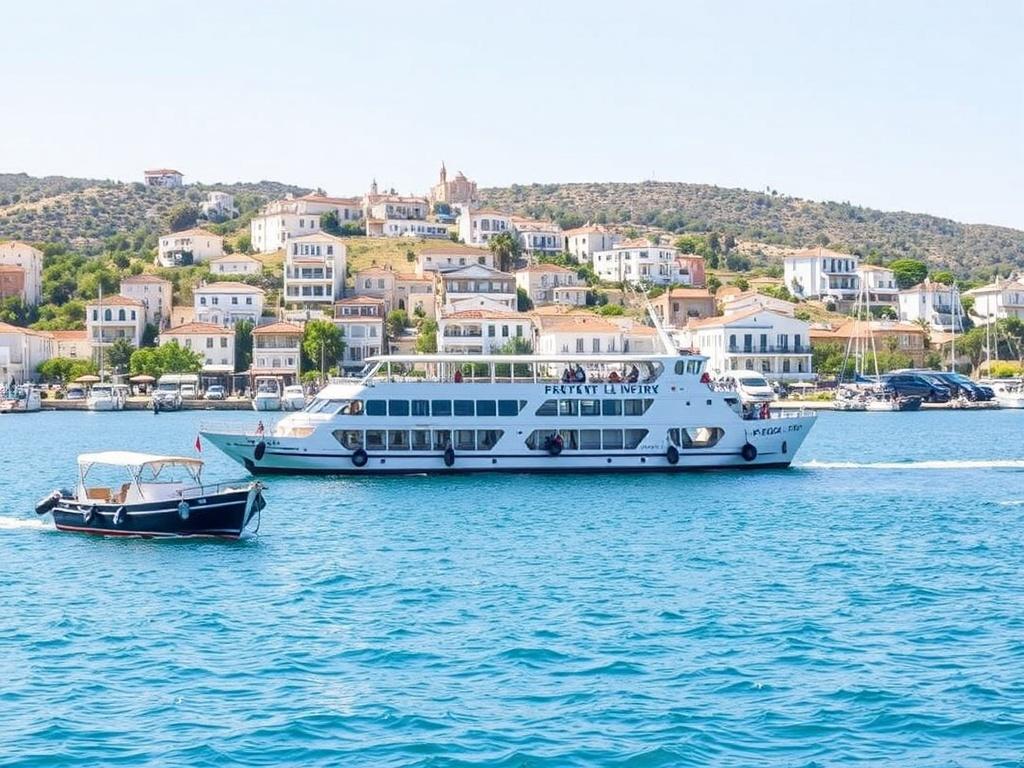
Cyprus, the Mediterranean island nation known for its stunning coastlines and rich history, offers a variety of boat and ferry services that connect its ports with nearby islands and mainland destinations. Known for providing more than just a means of transport, these services blend utility, leisure, and tourism, making marine transport Cyprus a key component of the island’s accessibility and appeal. This article explores the various facets of boat and ferry networks around Cyprus, emphasizing the infrastructure, routes, operators, and practical considerations for both residents and visitors.
The island’s strategic position between Europe, Asia, and Africa has made it a hub for maritime activities for centuries. Beyond the well-developed ports in Limassol and Larnaca, several smaller harbors serve as gateways for coastal boat services Cyprus offers. Marine transport here ranges from fast-speed passenger ferries to cargo vessels and private boat services, illustrating the diversity and importance of sea transport in this region.
History and Development of Marine Transport Cyprus
The evolution of boat services Cyprus reflects the island’s maritime heritage and its adaptation to modern transport demands. Historically, Cyprus relied on marine routes for trade and communication long before the advent of sophisticated ferry systems. Fishing boats and traditional sail vessels gradually gave way to motorized boats and scheduled ferry transport Cyprus operations after the mid-20th century.
As tourism gained momentum in the 1970s and onward, the significance of marine transport Cyprus expanded. The establishment of multiple ferry routes linking Cyprus to Greece, Turkey, and the Levantine coast helped integrate the island into regional transportation networks. This historical progression lays the groundwork for understanding current boat services Cyprus infrastructure and operations.
Marine transport in Cyprus has evolved from ancient trading vessels to modern ferry systems, underscoring its enduring role in regional connectivity.
Today, the government and private sector cooperation has resulted in improved infrastructure at all major ports. This includes modern ferry terminals, navigation systems, and safety protocols. Sustainable initiatives are also increasingly integrated into Cyprus’ marine transport policies, responding to environmental concerns associated with expanding maritime traffic.
Key Ports and Hubs for Ferry Transport Cyprus
Four main ports dominate the ferry and boat services Cyprus landscape: Limassol, Larnaca, Paphos, and Kyrenia. Each port plays a distinct strategic and commercial role, making the overall marine transport Cyprus ecosystem function efficiently.
Limassol stands out as the busiest commercial hub, accommodating both cargo and passenger boats. It has become a central point for ferry transport Cyprus connections to Greece and nearby islands. Larnaca, as a mixed-use port, predominantly services passenger ferries and smaller coastal boat services Cyprus offers. Paphos caters more to tourists, providing leisure boat tours and limited ferry connections. Kyrenia, located in the northern part of Cyprus, specializes in smaller scale coastal transport and charter boat services.
| Port | Main Functions | Types of Marine Transport | Popular Routes |
|---|---|---|---|
| Limassol | Commercial & Passenger | Large ferries, Cargo vessels | Greece, Crete, Israel |
| Larnaca | Passenger & Coastal | Passenger ferries, Coastal boats | Nearby islands |
| Paphos | Tourism & Leisure | Leisure boats, Small ferries | Local coastal routes |
| Kyrenia | Local Transport | Charter boats, Coastal ferries | North coast beaches |
These ports do not merely serve transportation needs but form an integral part of the local economy, supporting trade, tourism, and employment in Cyprus. Furthermore, improvements in port facilities over recent years have significantly enhanced the efficiency and safety of marine transport Cyprus-wide.
Boat services Cyprus providers continually expand offerings to meet both commercial and leisure demands. This creates a dynamic system where boat services and infrastructure maintain relevance amidst the growing influx of tourists and commercial goods around the Mediterranean.
Popular Routes and Destinations in Ferry Transport Cyprus
The geography of Cyprus and its proximity to nearby countries and islands facilitates a variety of vital ferry routes. These routes not only connect Cyprus to the wider Mediterranean but also cater to local inter-island travel via coastal boat services Cyprus offers. While some routes prioritize commercial freight and passenger travel, others are tailored for tourism and day trips.
One of the most prominent ferry transport Cyprus routes connects Limassol with Greece’s major ports such as Piraeus and Crete. These links serve residents, expatriates, and tourists, enabling longer-distance and regular maritime travel. Additionally, emerging routes between Cyprus and Israel have become important for business and tourism.
On a more localized scale, water transport Cyprus supports frequent trips along the southern coast, offering excursions from Paphos to smaller resorts and beaches. Coastal boat services Cyprus-wide also facilitate island-hopping tours, fishing expeditions, and private charters that highlight the region’s natural beauty.
Ferry routes from Cyprus extend not only across the Mediterranean but also support vital local coastal connections that promote both commerce and tourism.
The expansion of these ferry routes has necessitated improvements in scheduling, safety, and passenger amenities within the Cyprus marine transport sector. Innovation in ticketing systems and integration with land transport networks have further enhanced the user experience.
Types of Boat Services Cyprus Provides
Marine transport Cyprus is diversified into multiple categories depending on purpose, scale, and operational scope. Broadly, the types of boat services Cyprus encompasses can be identified as commercial ferries, coastal boat services Cyprus residents frequently use for short trips, leisure and tourism-focused vessels, and specialized private charters.
Commercial ferries in Cyprus tend to be larger vessels operating scheduled routes to foreign destinations. They carry passengers, vehicles, and cargo. These services remain the backbone of international connectivity through sea transport Cyprus-wide.
Coastal boat services Cyprus offer are generally smaller, accommodating shorter distances and often running between smaller ports or tourist sites. These boats operate on flexible schedules and sometimes cater to smaller groups, enhancing access to harder-to-reach coastal locations.
Tourism-centered boats, including sightseeing cruises, fishing trips, and diving excursions, form an important segment of Cyprus’ marine transport industry. These services usually operate seasonally, maximizing demand during peak tourist periods.
Private boat charters deliver bespoke experiences by providing personalized routes and schedules. These services appeal to high-end tourists and locals seeking unique ways to explore Cyprus’ coastline.
Modern boat services Cyprus providers incorporate technological advancements such as GPS navigation, digital booking, and eco-friendly engines to improve efficiency and sustainability across all categories.
Challenges in Marine Transport Cyprus
Despite its growth, water transport Cyprus faces several challenges that require careful management and forward planning. Regulatory compliance, environmental sustainability, infrastructure limitations, and political factors all play a role in shaping the future trajectory of this sector.
One key challenge lies in balancing increasing maritime traffic with conservation efforts, particularly because Cyprus has vulnerable marine ecosystems. Strict regulation of emission standards and waste disposal is necessary to maintain ecological balances.
Infrastructure constraints, such as limited dock space and aging port facilities in some locations, can hinder the expansion of marine transport Cyprus. Continual investment is required to upgrade ports and improve accessibility for modern vessels.
Political complexities stemming from the island’s divided status also influence ferry transport Cyprus routes, especially concerning travel to and from northern Cyprus. This situation requires international cooperation and legal navigation to ensure safe and consistent services.
Environmental protection and political considerations remain central challenges in sustaining the growth of marine transport in Cyprus.
Furthermore, developing an integrated approach linking marine transport Cyprus with land-based public transit will enhance mobility for residents and tourists alike. This requires coordination among multiple agencies and private stakeholders.
Technological Innovations and Future Trends in Boat Services Cyprus
The marine transport Cyprus sector is gradually adopting technology-driven changes to improve safety, efficiency, and environmental friendliness. GPS tracking, real-time scheduling apps, and improved communication networks are becoming standard features in ferry transport Cyprus.
Energy efficiency and sustainability are gaining priority. Increasingly, boat services Cyprus providers are experimenting with hybrid or fully electric boats to reduce carbon emissions. Solar panels and other renewable energy measures are also being explored for port facilities.
Automation and smart systems promise improvements in navigation and freight handling, contributing to smoother operations. Digital ticketing and contactless payments help streamline passenger flows, particularly in busy ports.
The growth in marine tourism fuels demand for innovative experiences such as underwater tours and eco-adventure boats, reflecting trends toward experiential travel around Cyprus’ coastline.
Overall, the future of marine transport Cyprus looks geared toward more integrated, environmentally responsible, and technologically advanced offerings — all designed to maintain Cyprus’ competitive edge as a maritime destination.
How to Choose the Right Boat or Ferry Service in Cyprus
Selecting the appropriate boat services Cyprus has available depends on various factors such as destination, purpose, budget, and comfort preferences. For cross-country or international travel, reputable ferry operators with scheduled routes provide reliability and passenger amenities.
For short coastal trips or island-hopping, smaller, flexible boat services offer convenience and access to less-developed areas. Tourists interested in leisure and adventure should look for specialized operators that provide safety certifications and positive reviews.
Passengers with vehicles need to verify that ferry transport Cyprus providers accommodate cars or motorcycles if required. Scheduling and seasonal availability are also crucial considerations, especially during peak tourist seasons.
Comparing prices, services, and reviews from multiple providers ensures a better fit for individual needs. It’s advisable to book tickets in advance for popular routes or on-demand charters during busy periods.
Understanding the type of travel and service quality is essential in choosing the best boat or ferry service in Cyprus.
By planning and researching, travelers can maximize the benefits of marine transport Cyprus offers while avoiding common pitfalls such as overbooking or encountering inadequate facilities.
Safety remains a non-negotiable priority in the marine transport Cyprus sector. Regulatory frameworks govern vessel operations, crew qualifications, passenger safety procedures, and emergency responsiveness to ensure secure travel conditions.
Operators must comply with the Cyprus Ports Authority’s regulations and European maritime safety standards. Life jackets, emergency drills, clear signage, and inspection certificates are standard features on any licensed boat or ferry service.
Passengers are advised to follow crew instructions closely, familiarize themselves with emergency exits, and observe maritime safety guidelines. Using official operators rather than informal or unlicensed services reduces risks.
Authorities regularly inspect vessels and port facilities to maintain standards. During adverse weather conditions, ferry transport Cyprus schedules may be altered or canceled to protect passengers.
Marine insurance policies for passengers and vessels add an extra layer of protection, giving peace of mind to travelers utilizing boat services Cyprus-wide.
Your Voyage Awaits: Embracing the Marine Transport Cyprus Experience
Boat and ferry services around Cyprus are more than mere transportation; they represent a gateway into the island’s cultural, economic, and natural fabric. Whether you’re a local commuting across coastal points or a visitor exploring Cyprus’ maritime frontiers, marine transport Cyprus delivers reliable routes and enriching experiences.
Progressive infrastructure, diverse services, and persistent innovation position Cyprus as a vibrant maritime hub within the Mediterranean. For those who choose sea travel here, the blend of convenience, scenic beauty, and cultural connection cannot be matched.
Embracing boat services Cyprus means accessing a world where water transport breathes life into islands, ports, and communities, fostering growth, connection, and sustainability. Your next voyage in Cyprus could begin with a ferry ticket or a coastal boat rental, offering new adventures and opportunities to discover one of the Mediterranean’s most charming maritime regions.
Marine transport Cyprus is the key to unlocking the island’s coastal wonders and regional connectivity — a journey that blends utility with discovery.
Frequently Asked Questions (FAQs)
-
What are the main ferry routes connecting Cyprus with other countries?
The primary ferry routes link Limassol and Larnaca ports with Greece (mainly Piraeus and Crete) and Israel, providing regular international passenger and cargo services. -
Can I transport a vehicle on ferry services Cyprus offers?
Yes, many commercial ferries accommodate cars and motorcycles, especially on international routes. It is advisable to confirm vehicle transport availability when booking. -
Are there coastal boat services Cyprus residents use frequently for local travel?
Yes, smaller coastal boat services operate regularly along Cyprus’ coastline, connecting smaller ports and tourist spots, primarily for short-distance travel and leisure. -
What safety measures are in place on boats and ferries in Cyprus?
Boats and ferries in Cyprus must comply with strict safety regulations including life jackets, emergency drills, crew training, and vessel inspections as mandated by Cyprus Ports Authority and EU laws. -
Is it possible to charter a private boat in Cyprus?
Yes, private boat charters are widely available and offer customized routes and schedules for tourists and locals seeking a more personalized coastal experience. -
How can travelers book tickets for ferry transport Cyprus?
Tickets can be booked online through official ferry operators’ websites, travel agencies, or at port terminals, with online booking offering convenience and availability guarantees. -
Are there any environmental initiatives in marine transport Cyprus?
Increasingly, marine operators in Cyprus are adopting eco-friendly technologies such as hybrid engines and implementing waste management protocols to reduce marine pollution and carbon emissions.